An exhibition based on actual incidents of sexual violence had clothing hanging from clotheslines, a poignant reminder of what rape survivors and victims were wearing when attacked. Approximately eleven women are raped every day in Pakistan.


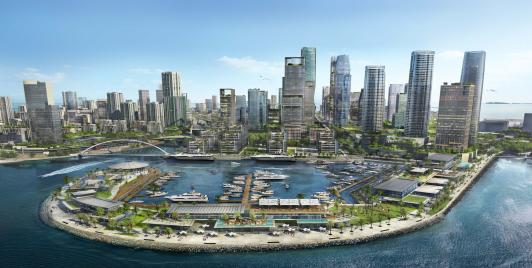
When a Chinese company won the contract to establish hybrid wind and solar energy projects on three islands off the northern Jaffna peninsula—just 45 km from Rameswaram in Tamil Nadu—the security implications extended far beyond economics. Against this backdrop, India’s concerns are entirely justifiable. Sri Lanka faces a pressing question: how will the nation confront the infiltration of Chinese global criminal networks? Since Mahinda Rajapaksa’s tenure, Chinese presence in Colombo has steadily increased, with Sri Lanka positioned as a partner state in Beijing’s Belt and Road Initiative.
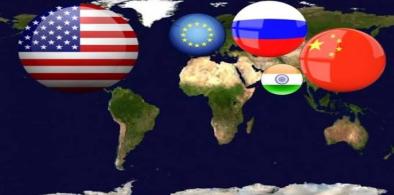
The growing role of middle powers adds another layer of complexity. Yet the term itself remains imprecise. Not every country outside the United States and China qualifies as a middle power, and many reject the label altogether. India, for example, increasingly sees itself as a leading power pursuing strategic autonomy rather than as a middle power seeking alignment with one bloc or another.
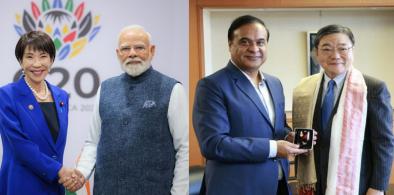
If India and Japan genuinely envision Northeast India as the gateway connecting South Asia with the Bay of Bengal and the Indo-Pacific, then the next chapter of the partnership cannot remain confined to New Delhi and Tokyo. It must also be written in Guwahati, Shillong, Aizawl, Imphal, Agartala, Kohima, Gangtok and Itanagar
In several neighbouring countries, including Bangladesh, Sri Lanka and Nepal, China has demonstrated an ability to move from agreements to implementation far more rapidly than many competitors. India, despite enjoying unmatched geographic and cultural advantages, has often struggled with delays
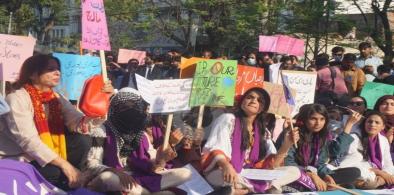
An exhibition based on actual incidents of sexual violence had clothing hanging from clotheslines, a poignant reminder of what rape survivors and victims were wearing when attacked. Approximately eleven women are raped every day in Pakistan.
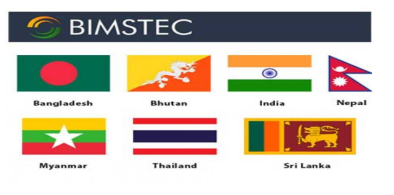
If the Bangladesh-Myanmar-Thailand-India trilateral highway project and the Bangladesh-China-India-Myanmar (BCIM) corridor were integrated, ASEAN members could access the markets of Bangladesh, northern India, and the Himalayan countries of Bhutan, and Nepal.
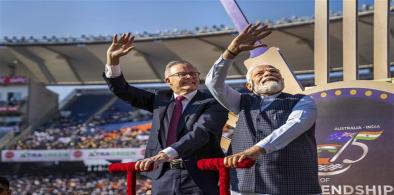
Higher education has emerged as an important linkage between both countries. As Australia seeks to reduce dependence on Chinese students, it would want to attract more Indian students.
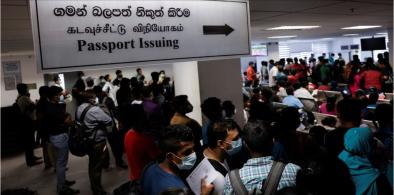
This craze for migration is going to have a huge detrimental effect on Sri Lanka as it will be left with very few skilled workers to develop and contribute to the Sri Lankan economy.
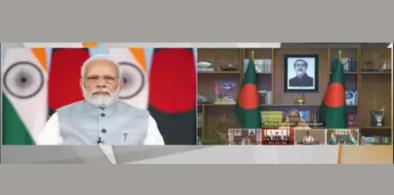
Bhutan and Nepal would also benefit from the pipeline project. The two nations will have the chance to take part in the regional energy market and have access to a reliable energy source. The BBIN region’s economy will grow as the pipeline project fits in with the region’s overarching goal of enhancing integration and connectivity in South Asia.
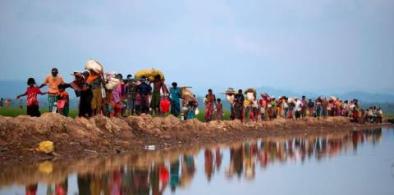
Acting under international pressure, Myanmar has apparently made the decision to reintegrate persecuted Rohingya based on nationality verification - with the repatriated Rohingya being referred to as "Bengali foreigners" - under the active supervision of international organizations and China, the United States, and EU countries.
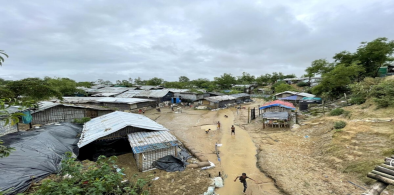
However, India, China, and other regional actors have yet to establish a firm position on the Rohingya repatriation process and peace talks to end the crisis in Myanmar. While the US is strongly supporting Bangladesh on the Rohingya issue, China and India’s geopolitical and geoeconomic interests in Myanmar have left Bangladesh to manage the Rohingya crisis alone.
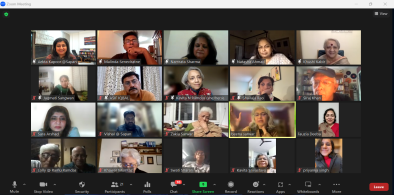
Kolkata-based Bangladeshi environmental activist Natasha Ahmed spoke about her cross-border marriage and the challenges she faces living in India with her husband and children. Her sister is married to a man of Pakistani origin. They face many complications meeting each other’s families due to the visa restrictions between India, Bangladesh, and Pakistan.
The data for South Asia shows that Maldives is the most globally integrated country in the region followed by Nepal, India, Sri Lanka, Bhutan, Bangladesh and Pakistan in terms of the average percentage of exports that formed part of the global value chain during the period 2019-2021.
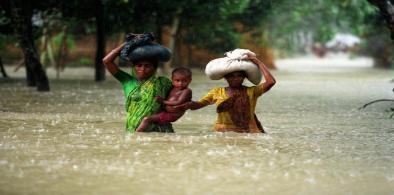
Women in Bangladesh often have limited access to financial services, which can make it difficult for them to cope with climate change impacts such as floods, droughts, or cyclones. Digital financial products such as mobile banking and digital savings accounts can help to overcome these barriers and increase financial inclusion among women.

This overbearing numbers-driven outlook has, so far, defined policy on international education. However, if India-Australia relations are to reflect a genuine partnership, the narrative needs to shift from transactional to transformational. This requires that the very purpose behind international education is dramatically rethought and altered.
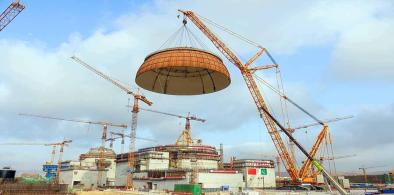
Karachi was the first Pakistani city to benefit from nuclear energy after KANUPP was connected to the grid. The inauguration of K-2 and now K-3 is a milestone in Pakistan’s quest to increase the share of clean nuclear energy.
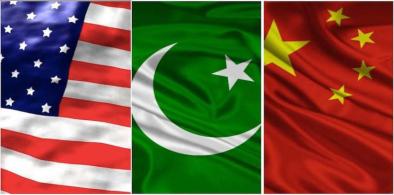
If US-Pakistan ties were to deteriorate further, Islamabad has limited options since Beijing in recent months has clearly shown that it will assist Pakistan in dealing with its economic problems only up to a point.
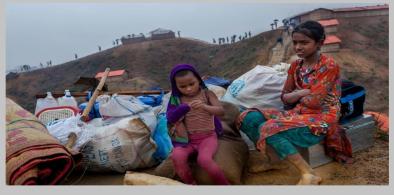
There has been an outpouring of support for ethnic minorities among protesters of the regime, particularly among the younger generation, who believe that a lasting peace in Myanmar can only be achieved if it includes all of Myanmar's citizens, regardless of class, ethnicity, or religious affiliation. This shift in empathy has also altered long-held perceptions of the Rohingya.
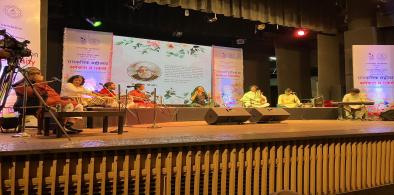
Such deliberations around the themes of interfaith harmony, pluralism, diversity, and solidarity bring hope, and perhaps signify the need and readiness among Indians to start reconsidering their nation’s pluralist legacy.