This is the story of Ganpat Singh from Pakistan’s Sodha Rajput community. Like him, each member of this half a million strong community has matrimonial linkages across the border in Rajasthan, India, writes Beena Sarwar for South Asia Monitor



For Sri Lankan politics, this is more than diplomatic sightseeing. It raises a fundamental question whether the JVP is developing a sophisticated strategy of balancing relations with India and China or is it gradually adapting itself to the organisational models of powerful one-party or dominant-party systems in China and India respectively?

The ongoing civil war in Myanmar has caused an influx of armed cadres (Meitei, Naga and Kuki) into Manipur's border tracts like Kamjong district, further squeezing finite land resources and aggravating historical territorial disputes. What began as a localized dispute under the state's newly elected government in February 2026 has escalated into intense, multi-district armed warfare.

Hamidullah’s tenure has been marked by promotion of Bangladesh's soft power, with the envoy going around the country underlining the deep roots of people-to-people ties.

India must also recognise that Pakistan's internal security crisis has wider regional implications. Escalating Pakistan–Afghanistan tensions could create additional uncertainty along the western frontier, while attacks on Chinese projects could affect regional connectivity and investment.

This is the story of Ganpat Singh from Pakistan’s Sodha Rajput community. Like him, each member of this half a million strong community has matrimonial linkages across the border in Rajasthan, India, writes Beena Sarwar for South Asia Monitor

The Taliban will soon face internal strife; the Haqqani network and extremist and fanatical factions will revolt against the moderates, splitting the Afghan nationalist struggle, writes Dr Ruhollah Eslami for South Asia Monitor
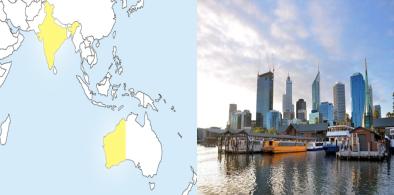
A stronger relationship with India is undeniably in Australia’s – and Western Australia’s – interest, writes Andrew Hunter for South Asia Monitor
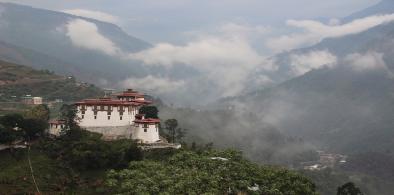
Bhutan contributes little or zero to the climate crisis. Yet, it has not been justly rewarded for its noble and invaluable sacrifices, writes Rinchen Kinzang for South Asia Monitor
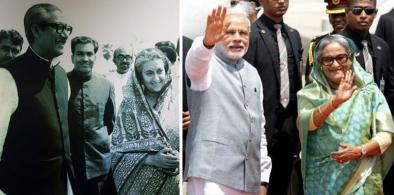
India and Bangladesh can show the world how neighbouring countries can become all-weather friends, writes Jubeda Chowdhury for South Asia Monitor

The repeal of the farm bill stretches the plight of poor farmers and hurts the potential growth of food processing in the country, writes S. Majumder for South Asia Monitor

The 1971 massacre of innocents in to be Bangladesh by Pakistan was one of the most heinous and barbaric genocides in world history, writes Farabi Bin Zahir for South Asia Monitor
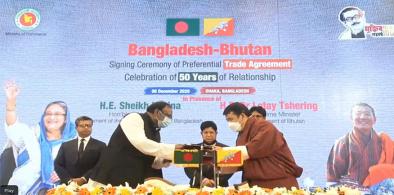
Sheikh Hasina and Lotay Tshering have agreed on building the necessary infrastructure to avail the maximum benefits of the PTA signed between Bangladesh and Bhutan, writes Pathik Hasan for South Asia Monitor

Carbon finance is expected to play a critical role in leveraging private sector finance for flourishing regional power trade between Bangladesh, Bhutan, India and Nepal, writes Partha Pratim Mitra for South Asia Monitor
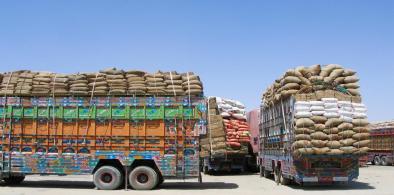
As Pakistan may play dirty with Indian aid to Afghanistan transiting its territory, India could consider the Iran route, writes Lt Gen P. C. Katoch (Retd) for South Asia Monitor

There’s no doubt we will see a growing number of Indians leading companies in America and around the world. And we hope that more of these leaders will be women, writes Raj L Gupta for South Asia Monitor
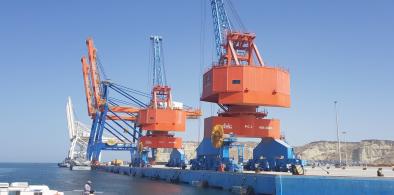
The success of the CPEC project, which is dubbed as a “game-changer” for the region, will be in question if the concerns of the people of Gwadar are not dealt with practically by the Pakistani establishment, writes Nizam Hassan for South Asia Monitor
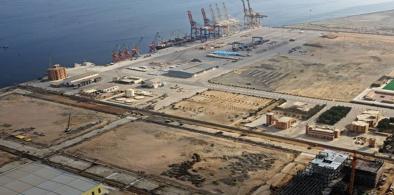
Disregarding Gwadar in particular and forsaking Balochistan in general is causing a sense of alienation among the people, writes Mannan Samad for South Asia Monitor
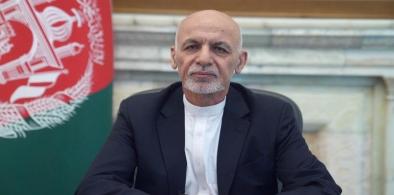
Many competent and high qualified individuals refused to work in Ghani's administration and quit their jobs in frustration, writes Qudratullah Karimi for South Asia Monitor

Technological domination by developed nations emerges as a new form of colonization as developing countries are the markets, writes Dr Mohammad Rezaul Karim for South Asia Monitor