In the last two years, both countries have had 18 bilateral visits; Bangladesh sent 7 delegations to the US while the US sent 11 delegations, including the latest visit of Assistant Secretary of State Donald Lu.


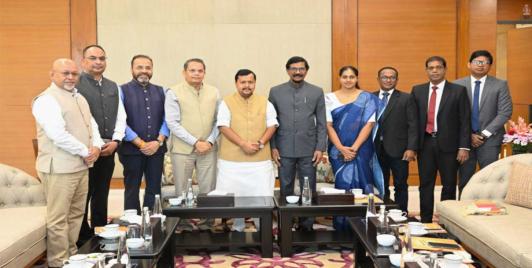
For Sri Lankan politics, this is more than diplomatic sightseeing. It raises a fundamental question whether the JVP is developing a sophisticated strategy of balancing relations with India and China or is it gradually adapting itself to the organisational models of powerful one-party or dominant-party systems in China and India respectively?

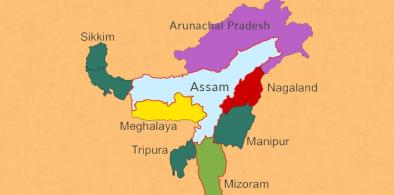
The ongoing civil war in Myanmar has caused an influx of armed cadres (Meitei, Naga and Kuki) into Manipur's border tracts like Kamjong district, further squeezing finite land resources and aggravating historical territorial disputes. What began as a localized dispute under the state's newly elected government in February 2026 has escalated into intense, multi-district armed warfare.
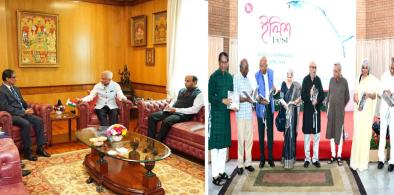
Hamidullah’s tenure has been marked by promotion of Bangladesh's soft power, with the envoy going around the country underlining the deep roots of people-to-people ties.
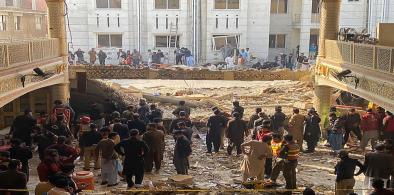
India must also recognise that Pakistan's internal security crisis has wider regional implications. Escalating Pakistan–Afghanistan tensions could create additional uncertainty along the western frontier, while attacks on Chinese projects could affect regional connectivity and investment.
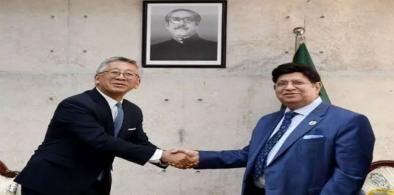
In the last two years, both countries have had 18 bilateral visits; Bangladesh sent 7 delegations to the US while the US sent 11 delegations, including the latest visit of Assistant Secretary of State Donald Lu.
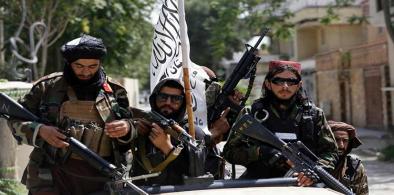
With constant attacks on CPEC projects and Chinese workers, protests breaking out across the nation against economic hardships, and an increase in internal terrorism, Islamabad is being forced to ramp up its military even while it is being spread thin due to increasing crisis points requiring its attention.
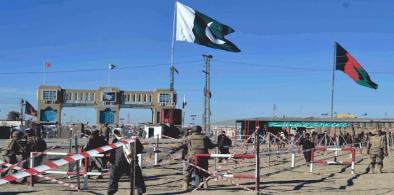
Afghanistan is important to India’s continental economic aspirations, including closer ties with Central Asia and Iran. These goals are currently hampered by Pakistan’s blockade of Indian access to the region.
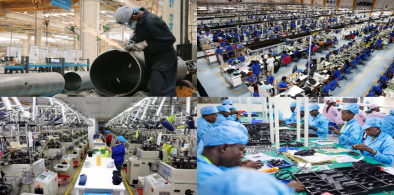
Between 2008 and 2021, the sectoral economic transition witnessed in most countries in South Asia - and in other parts of Asia - has reduced the sectoral share of GDP in agriculture and also the employment burden on agriculture in most countries. This trend, however, changed in the wake of Covid -19 when the share of agriculture in GDP in countries rose along with share of employment.

As of December 2022, the total dues to developing countries by developed countries stand at about USD 1 trillion whereas only about USD 10 billion have been disbursed through Green Climate Fund till now.
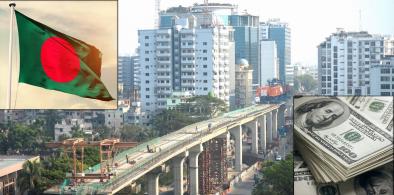
Bangladesh always has had good terms with the US and is one of the largest recipients of US government and private aid. But as the geopolitics of the Indo-Pacific region becomes heated, it has brought in its wake diverse interests that Bangladesh is not ready to cater to as yet.
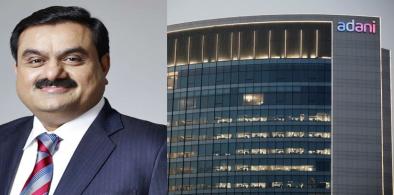
The question is whether Adani, also the world's third richest man, is also sensing shifting political sands in India and is preparing to stabilize himself so as not to trip if such an eventuality comes to be. The answer will unfold over several months until 2024.
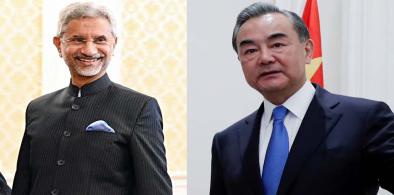
With the Communists back in power in Kathmandu, China will be able to push its own agenda, as well as that of Pakistan, in Nepal. It has cross-border ramifications for India at the tactical level, as well as larger ones at the strategic level when seen in concert with Chinese moves in Bhutan and Myanmar.
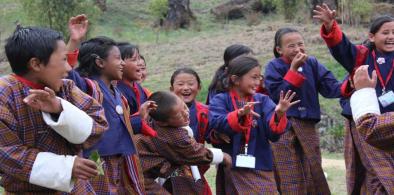
As Bhutan celebrates 50 years of introducing Gross National Happiness to the world, it has had a sizable impact on the political, social, environmental, and economic aspects of Bhutan. It is time for the world to give the concept more importance and conduct research on it.
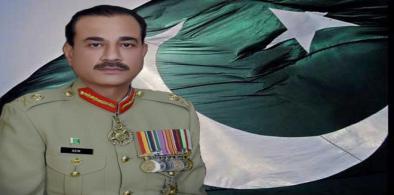
Delhi views Munir as a hardliner; so it is expected the COAS may use all resources against India to tarnish India`s image through information warfare or other means to perpetuate friction.
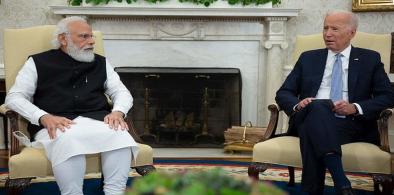
The US would love an India-China war - India becoming the Ukraine of the Indo-Pacific. The US administration would be ready to sell any amount of weaponry to India – nothing gratis of course.
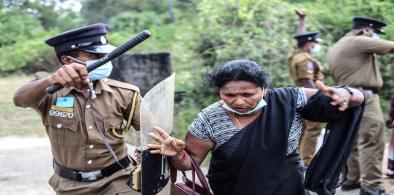
The human security status of Sri Lanka has depreciated due to deep-seated and pervasive issues linked to the country's economy and politics. To overcome pressing challenges related to human security, the government needs to have a well-designed policy framework in place.
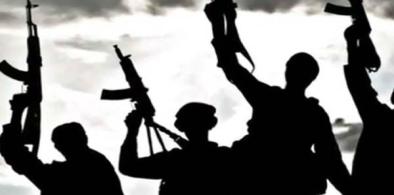
The right-wing and Islamist political forces that have always maintained connections with violent extremist forces are exerting their influence in Bangladeshi society. This is an ominous sign in this part of the world.
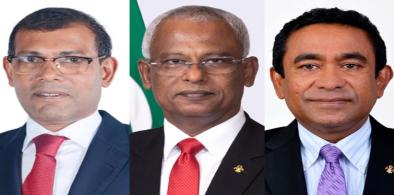
The political events, including those inside the once monolith MDP, are playing out at a time when Defence Minister Mariya Didi claimed that the recent raids, arrests and explosives seizure in capital Male and southern Addu City related to the "most dangerous terror-plot" in the country.
There is a simple but fundamental truth – good relations, trust and cooperation are critical among neighbours, both within India's borders and across it.