The Chinese People's Liberation Army troops have pulled back around 2 kilometres at Patrolling Point 14 and Patrolling 15 in the Galwan Valley in eastern Ladakh while the process of pullback has started at the Hot Springs, sources said on Wednesday



Remittances have become an unusually large source of external finance for South Asia. But a development model in which workers migrate because domestic employment is inadequate, and then send income home to support domestic consumption, cannot indefinitely substitute for creating productive employment at home.

In 2025, Sri Lanka was ranked as the second most expensive housing market in the world based on rentals compared to average income. It is possible that market distortions caused by black economy and corruption have contributed to this.
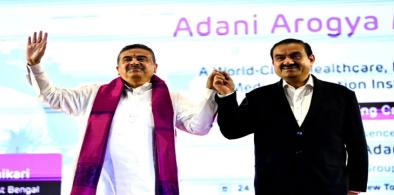
The larger opportunity before West Bengal is therefore not another round of infrastructure creation in isolation. It is the creation of an ecosystem in which infrastructure, private capital, local enterprise and skilled labour reinforce one another.
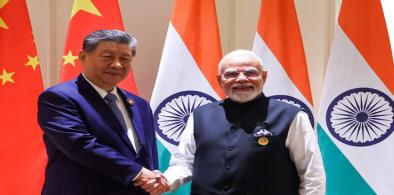
Why not begin by reopening serious discussions with Chinese conglomerate BYD about an Indian factory? BYD is now one of the world’s dominant EV manufacturers. Its Indian ambitions were caught in the post-Galwan investment freeze. Invite it back to the table—but on Indian terms
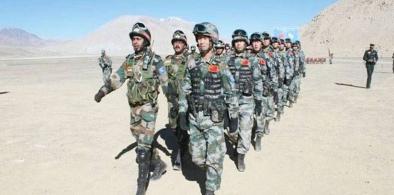
The Chinese People's Liberation Army troops have pulled back around 2 kilometres at Patrolling Point 14 and Patrolling 15 in the Galwan Valley in eastern Ladakh while the process of pullback has started at the Hot Springs, sources said on Wednesday
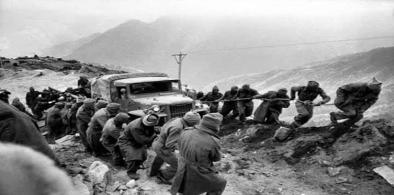
China is frustrated with India in Ladakh because a journey that used to take 16 to 18 days for the Indian Army to reach the Line of Actual Control (LAC) in 1962 takes just a day today
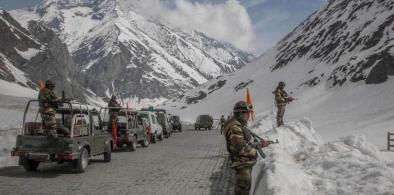
The Indian military sees no pullback of Chinese People's Liberation Army troops and material from Pangong Lake and Depsang in eastern Ladakh, knowledgeable sources told IANS on Tuesday
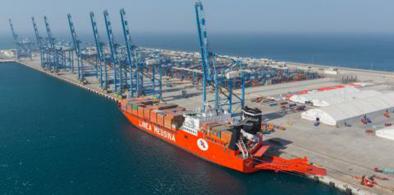
Pakistan Prime Minister Imran Khan has said that China-Pakistan Economic Corridor (CPEC) will be a "game-changer", bringing unprecedented prosperity and progress to the country
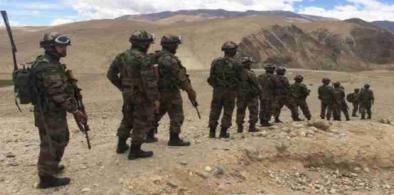
Both Indian and Chinese troops have retreated two kilometres each along the Line of Actual Control (LAC) in the Galwan Valley, where 20 Indian and an unknown number of Chinese soldiers were killed in a violent face-off last month
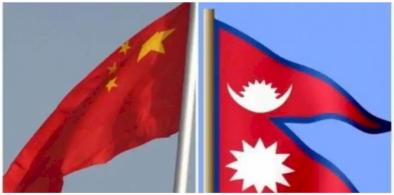
China's cheap loans to Nepal in the garb of infrastructure development to facilitate trade will lead to another debt trap, concerned Indian government sources have said
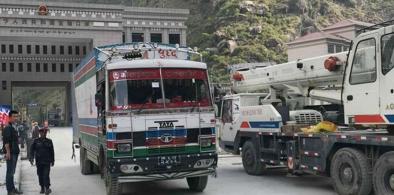
After six months of closure, Rasuwagadhi-Kerung, a key crossing point for bilateral trade between Nepal and China, was reopened on Monday
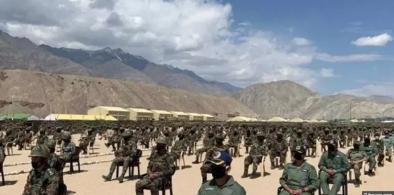
Around 30,000 troops of Indian Army are in an eyeball-to-eyeball confrontation with Chinese troops along the Line of Actual Control (LoC) in Ladakh, following the additional deployment of three brigades since the violent face-off last month
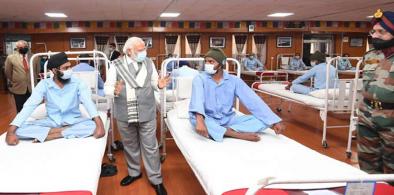
Around 40 Indian soldiers who were seriously injured in the violent face-off with Chinese troops in the Galwan Valley along the Line of Actual Control (LAC) last month had been moved for specialized treatment to Chandigarh and New Delhi ten days before the Prime Minister Narendra Modi visited Ladakh on Friday
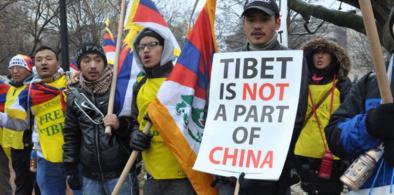
Whatever China might do -- attack neighbours, badmouth countries, sink fishermen's boats or even fly medicines across a world crippled by coronavirus -- the stain of the pandemic refuses to leave Wuhan, and China
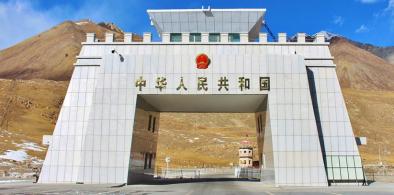
China is mulling temporarily reopening of Khunjarab border with Pakistan to allow movement of freight vehicles, stuck up due to coronavirus lockdown, its envoy said on Saturday
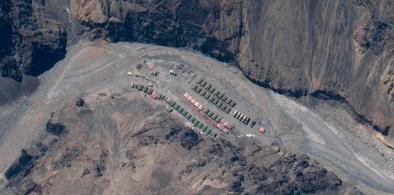
Indeed, China has gone astray from peaceful ascendance and has taken recourse to grabbing lands, maritime channels, and air space of many other countries
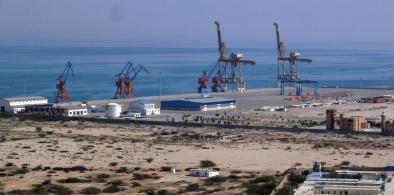
China-Pakistan Economic Corridor (CPEC) Chairman Asim Saleem Bajwa on Saturday said the Gwadar International Airport construction is underway
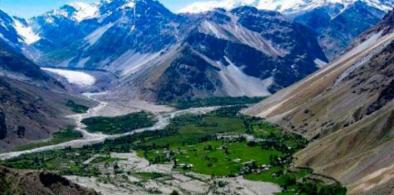
The controversial proposal to 'annex' Gilgit-Baltistan region of Pakistan-occupied Kashmir (PoK), which is to change the semi-autonomous status of the region, is being pushed by Pakistan to help China secure the China-Pakistan Economic Corridor (CPEC), Indian security agencies have told the government
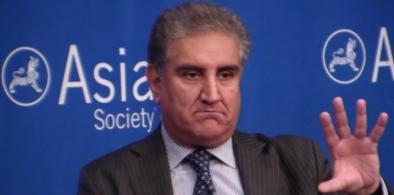
Pakistan Foreign Minister Shah Mahmood Qureshi has reaffirmed Islamabad's extended support to China's "One China Policy", along with a complete alliance against India