The way the United States conducts its presidential election would be considered irregular – and even illegal – in India and many countries


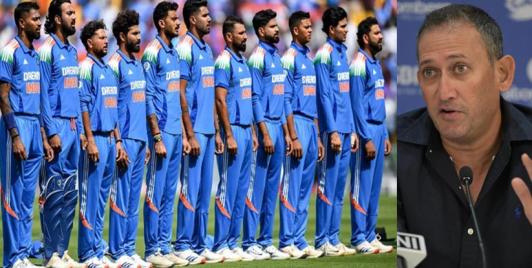
For all the glamour surrounding Indian cricket, the selector remains one of its least celebrated figures. He must look beyond the next headline, the next controversy, and even the next defeat. His finest decisions may never make the headlines. His mistakes certainly will.
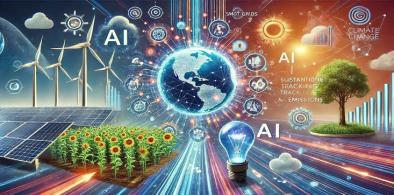
South Asia’s climate risks are shared across countries. Rivers such as the Ganga, Brahmaputra and Indus do not respect national boundaries, and torrential rains in one country can lead to floods in another. Satellite data, flood forecasts and flood warnings could, therefore, be shared to enhance disaster preparedness across the region.

The British Council's South Asia dialogue on TNE brought together policymakers, quality-assurance agencies, experts and higher education leaders from five South Asian countries and the United Kingdom. The discussions covered TNE policy, quality assurance, partnership management and mutual recognition of qualifications.
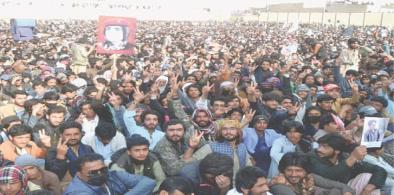
The CMSPP can help Balochistan address one of the most pressing challenges it encounters today – youth unrest and militancy. The radical Islamic groups and terrorist organizations often utilize the discontent of the youth of Balochistan to further their own agendas.
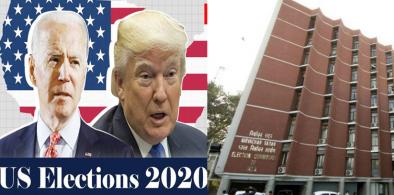
The way the United States conducts its presidential election would be considered irregular – and even illegal – in India and many countries
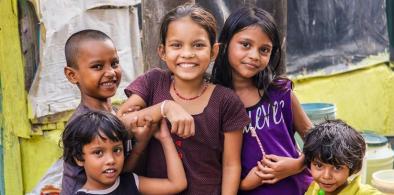
There are millions of orphan children across India, who lack the basic facilities required for survival. Having lost their parents at a very young age, they are not fortunate enough to receive encouragement or support and struggle to build their lives
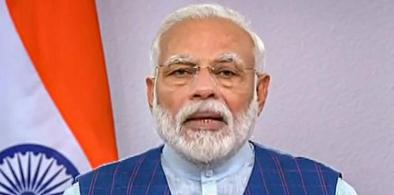
It is only amidst critical hours that the capability will power, patience and presence of the mind of a leader is tested. In fact, the eight months long COVID-19 pandemic as well as China’s multiple intrusions along the Indo-China border or the Line of Actual Control (LAC) in April 2020 and consequent on-going standoff between the two armies had indeed created a tense situation in India
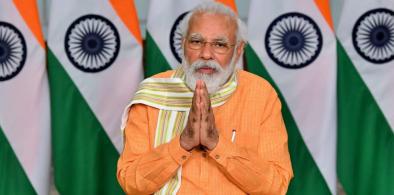
When COVID-19 started in Wuhan in China and Beijing did not immediately share the information for some months and WHO also did not raise an alarm, as alleged, in not warning the world about the impending disaster, no one thought that the virus would shake the world to the extent that it has done now
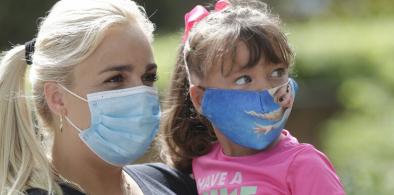
At the six month mark of forced isolation
I have never forgotten the paths I walked
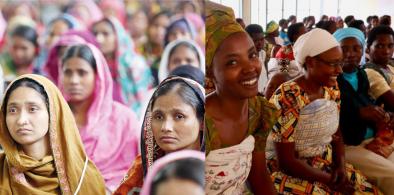
As the International Monetary Fund (IMF) released its World Economic Outlook for 2020, the report has drawn heated, but detailed and significant, discussions in India

Just interludes of joy and happiness

Ten months into the pandemic, handwashing with soap remains one of our best defences against the virus, along with other public health measures such as maintaining physical distance, avoiding crowded places, practising cough etiquette and wearing a mask wherever recommended
When we’ve lived our lives to the fullest
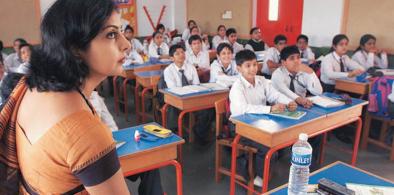
The recent assault and abuse of a poor and innocent woman in Hathras, Uttar Pradesh has justifiably raised nationwide concern and condemnation
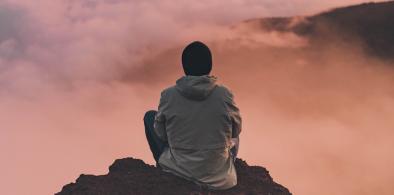
Just interludes of joy and happiness
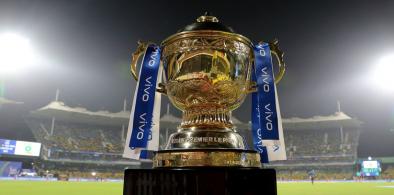
Here we are then, the IPL has got firmly embedded in our collective and individual consciousness. Daily routines are configured now to cater for the timings. Time to get updated on some lesser-known aspects
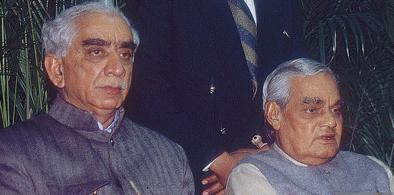
One of Jaswant Singh's finest meetings was with the New York Times editorial board, where members extensively asked about the Indian nuclear programme and why India wasn’t signing the Non-Proliferation Treaty. He patiently and firmly placed India’s position, writes Sanjoy Hazarika for South Asia Monitor
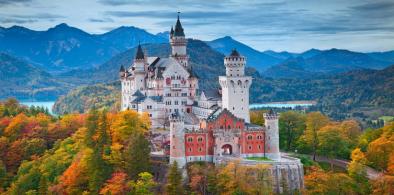
Seats of Power, red and white houses