A forward-looking government can certainly achieve this task of Pakistan remaining an Islamic country while simultaneously emerging as a progressive and peaceful nation


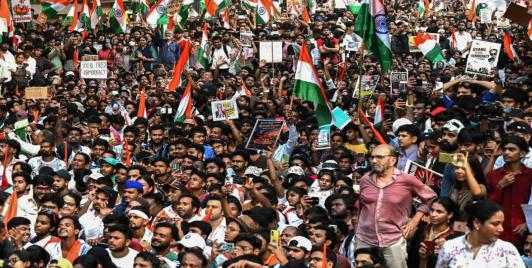
The CJP’s journey, however, is no longer confined to the politics of examination failures and youth precarity. Its School Thik Karo campaign has extended the movement’s work towards accountability for basic public-school infrastructure, while its latest mobilisation has turned to electoral accountability.
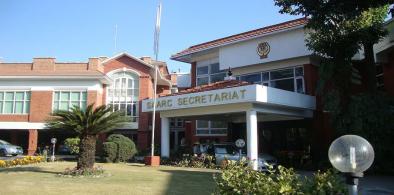
Whether or not “Himalayasia” ever catches on as a name, the underlying question it poses is a serious one for a region that houses a quarter of the world’s population, spends tens of billions of dollars a year arming itself against its own neighbors, and still trades more easily with the far side of the globe than across its own borders

South Asia often discusses youth mobility after a student has already decided to leave the region. A stronger regional system would give students another option before that point: international experience that is close enough to be practical, but different enough to change what they learn.

If dummy admissions, prolonged school absenteeism, and an unregulated coaching culture continue unchecked, we may end up producing students who have spent enormous amounts of time and money on education without actually receiving the education they need.
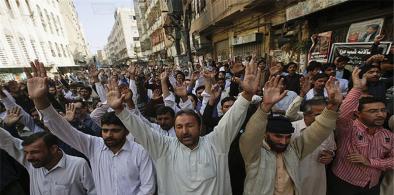
A forward-looking government can certainly achieve this task of Pakistan remaining an Islamic country while simultaneously emerging as a progressive and peaceful nation
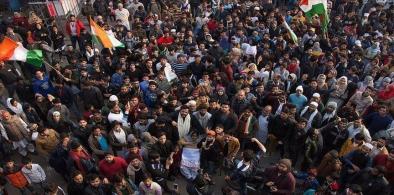
An apolitical mass movement is imperative, given that India’s secular democracy and constitutional freedoms are facing an existential threat
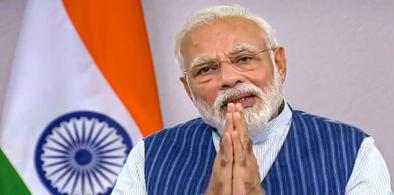
The central theme of Modi’s governance - both as Chief Minister of Gujarat and Prime Minister of India - is his undiluted focus on poverty alleviation, industrial and economic development and social progress

No society can progress if it does not muster the courage to question taboos, particularly those which trample on human rights, dignity, and liberal values
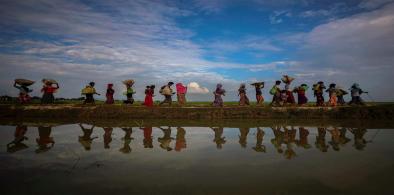
China must become the region's new peacemaker, with its approach to resolving the Rohingya situation bringing out the hesitancy of the western powers to take a decisive stand on the vexed issue

The Rural Media Network Pakistan (RMNP ) board meeting held under the chairmanship of its president Ehsan Ahmed Sehar has turned down the proposed Pakistan Media Development Authority (PMDA) unanimously
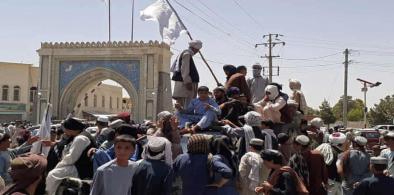
It is the core responsibility of the Muslim Ummah to rescue Afghans from the clutches of an impending civil war

As we honor the legacies of those lives lost on September 11, 2001, we also reflect on the dramatic impact that day had on our nation and communities like ours

As India’s first integrated school for sports and academics, TSS is a potential winner model balancing between the needs of budding athletes to excel at their chosen sport and the kind of academic pursuits they also prefer
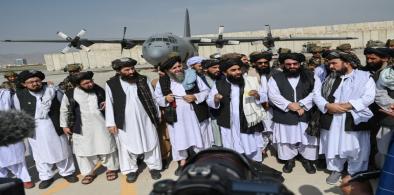
The squeeze of western donations would make it difficult for the Taliban government to pay salaries to its employees, continue welfare schemes that were started by the previous government, and contain high inflation

When some of us launched a South Asia initiative earlier this year, Hal Gould came to mind
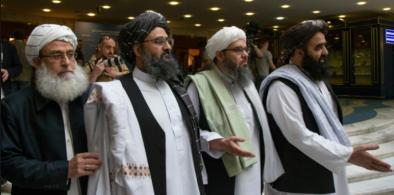
The people of Afghanistan have become pawns and everybody in power is painting this story to suit their respective national interests
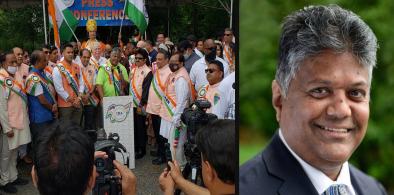
New Jersey state’s Asian population has experienced remarkable growth within the last decade
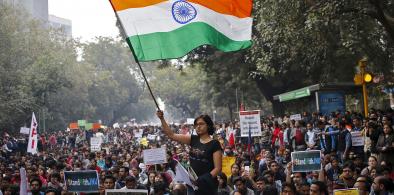
What needs to be understood is the fact that protests raise significant human rights issues that force the state to act upon its obligations to prevent, investigate, prosecute and punish those responsible
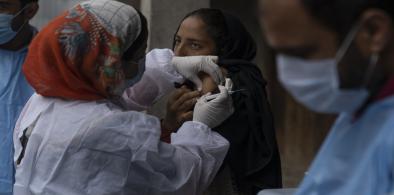
Global research has established that protection by vaccines doesn't last long anywhere near a full year, as previously hoped. It is now clear that the efficacy of all vaccines drops sharply every month after a person is fully vaccinated