The explicit duty to respect human rights should be added to the duties of police mentioned in the Police Act, 1861, and respect for human rights should be included in the training


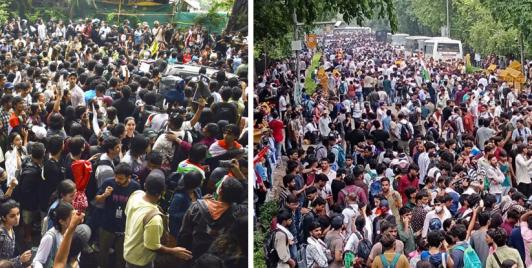
The power of the cockroach in the current viral moment of the CJP seems to resonate with something Kafkaesque that is crawling beneath: unwanted, impossible to eliminate. The apparent insult is meant to make someone feel unworthy. But when an insult is taken up by a community, it culminates in a “badge”, where shame becomes performance, humiliation becomes satire, and satire culminates in political self-recognition.
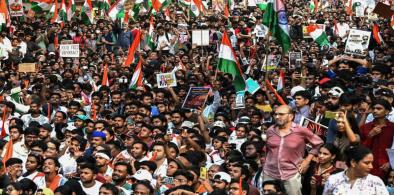
The CJP’s journey, however, is no longer confined to the politics of examination failures and youth precarity. Its School Thik Karo campaign has extended the movement’s work towards accountability for basic public-school infrastructure, while its latest mobilisation has turned to electoral accountability.
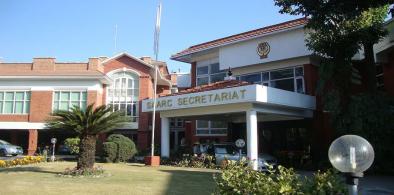
Whether or not “Himalayasia” ever catches on as a name, the underlying question it poses is a serious one for a region that houses a quarter of the world’s population, spends tens of billions of dollars a year arming itself against its own neighbors, and still trades more easily with the far side of the globe than across its own borders

South Asia often discusses youth mobility after a student has already decided to leave the region. A stronger regional system would give students another option before that point: international experience that is close enough to be practical, but different enough to change what they learn.
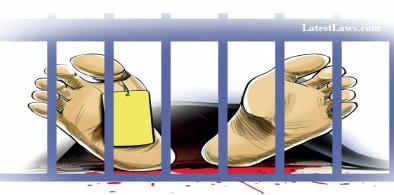
The explicit duty to respect human rights should be added to the duties of police mentioned in the Police Act, 1861, and respect for human rights should be included in the training
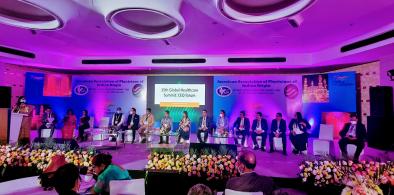
Representing the interests of the over 120,000 physicians of Indian origin, leaders of American Association of Physicians of Indian Origin (AAPI), the largest ethnic organization of physicians, for 40 years, AAPI Convention provides a platform for medical education programs and symposia with world-renowned physicians on the cutting edge technology in medicine.
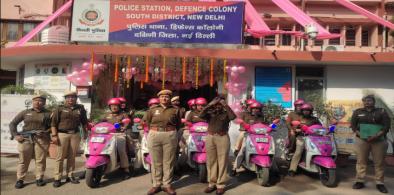
According to a June 2018 study, the opening of all-women police stations in India led to an 11 percent increase in crime reporting. This is because the women population - particularly in rural and semi-rural areas - is more comfortable approaching these stations.

As part of the digital agenda and with increasing adoption of cloud, DevOps and Agile becoming mainstream as a result of embracing microservices and containerization, over 55% of organizations release software products weekly. This naturally causes strain if security principles are not adopted upfront by developers.

“Heroes for Life” honors CRY America's donors and project partners, who have maintained their support to underprivileged communities throughout the “silent crisis” spawned by the pandemic. Throughout India’s slums and villages, school closures and sudden loss of livelihoods caused a spike in child labor and child marriage, as already-vulnerable families scrambled to conserve resources.
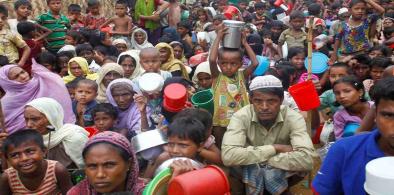
Myanmar can use Bangladesh to reach the markets of Bhutan, Nepal and India’s Northeast easily

Inspired by the US-based Black Lives Matter movement, this forum has a mission to eradicate inequality, injustice, discrimination and systemic racism against people of Indian origin in the Caribbean
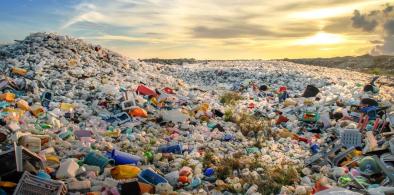
The study placed India (rank 12) in the list of top 20 disbursers of plastic waste into the high seas from their coastlines. China ranked first, followed by countries in Southeast Asia, South Asia and Africa, Sri Lanka and Bangladesh among them
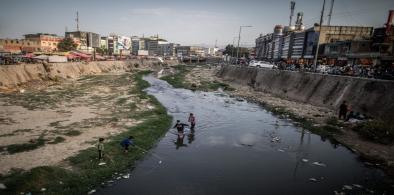
The little water that was flowing in the Kabul River in late April was dirty. Wastewater from the capital of Afghanistan flows untreated into the Kabul River. The situation is no better in downstream Pakistan. Industrial wastewater and domestic sewage from around 10 cities in Khyber Pakhtunkhwa flow into the river.
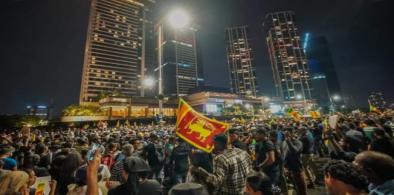
Today, Sri Lanka needs the Singapore model of governance where the stick and carrot policy is elegantly used, with citizens living with confidence in the government about maintaining law and order and fair play
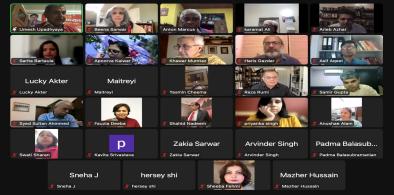
The Sapan Charter , said Gazdar, reflects “not just the experience of one country but of the entire region” which provides a political heft. “All our countries share a common history of struggle against global systems of exploitation - colonisation, racism. These power relations exist today”.
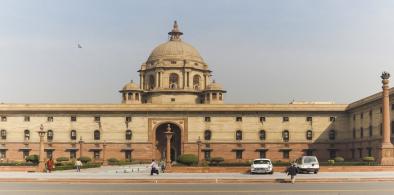
It is said that Pakistan is controlled by its military while in India it is the bureaucracy that holds the politicians to ransom but has a soft corner for the police
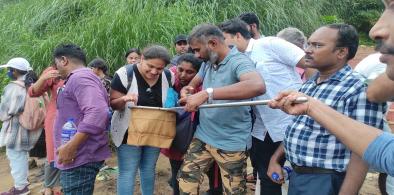
Twenty-four participants from 10 states travelled to Kerala with a common mission to invest their skills in bringing Earth’s veins and artilleries back to flowing life. Their diverse background from architecture to academicians and from heads of gram panchayat to officers from the government had a singular focus - on exploring the practical ways to transform the river restoration initiatives into a national movement
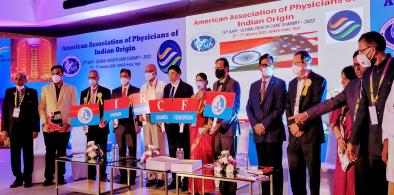
There is no instant solution for India’s myriad problems. But by collaborating with the governments both nationally and at state levels, and working with the government and NGOs, physicians of Indian origin can make a huge difference
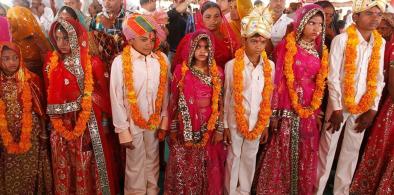
The Bill will not help in eliminating child marriages as it has merely increased the age without addressing the major factors which contribute to child marriages