There are not many developing countries like India having the capability to produce such a wide variety of warships ranging from fast-attack craft to aircraft carriers, writes Col Anil Bhat (retd) for South Asia Monitor


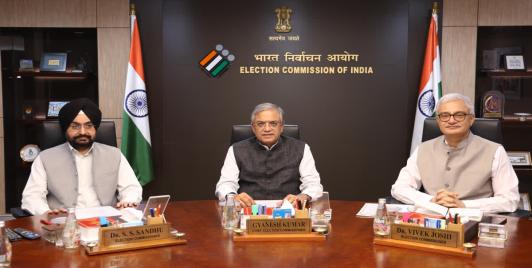
The Election Commission belongs neither to the government of the day nor to the Opposition. It belongs to the people of India. Its first duty is to protect the citizens' vote. That is the standard by which the CEC, the two ECs should be examined.
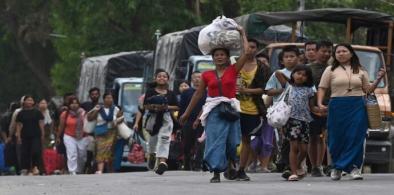
Manipur therefore needs to move beyond the language of relief and towards the language of restoration. The ultimate measure of recovery will not be how many camps have closed. It will be how many families can safely return, rebuild their livelihoods, educate their children, access justice and live without fear.
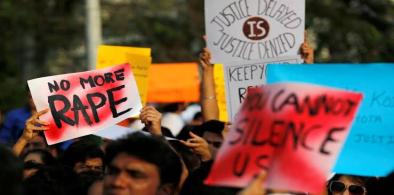
The Chopra siblings' murder in 1978, the Nirbhaya case of 2012, R.G. Kar Kolkata in 2024 and Kalkaji in 2026 belong to different historical contexts. Yet they reveal a recurring difficulty in Indian governance: we are capable of extraordinary mobilisation after extraordinary violence, yet less consistent at converting that mobilisation into permanent institutional practice.
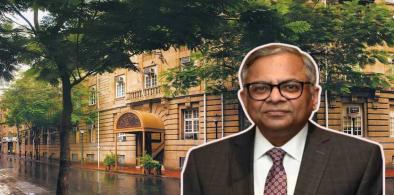
The Tata group is a national icon, a picture of enterprise, growth and service packed in a business model that many Indians cherish and hold as an exemplar. That model, in which the bulk of a great enterprise’s profits flows to charitable trusts for the public good, is rare anywhere in the world.
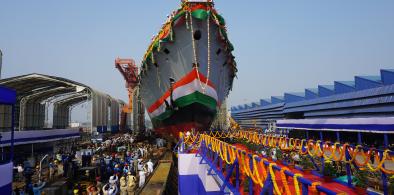
There are not many developing countries like India having the capability to produce such a wide variety of warships ranging from fast-attack craft to aircraft carriers, writes Col Anil Bhat (retd) for South Asia Monitor

India is the only country in the world that was ruled by Muslims for nearly 1,000 years and yet never become a Muslim country. A probable answer lies in the higher quality of Indian spiritual thought, writes Anil Rajvanshi for South Asia Monitor
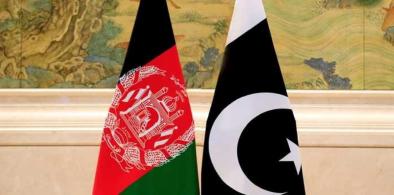
For a regime as isolated as the Afghan Taliban with weak resources at its disposal, acting against the Pakistan-based TTP is like giving up on the little leverage it enjoys so far. Furthermore, there is little indication of the group’s willingness so far to transform itself into an internationally accepted ruling regime by weakening its links with ideological fellow travellers
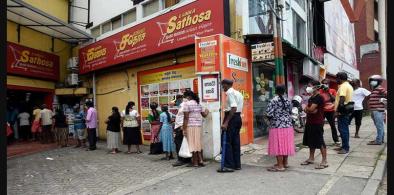
The global chemicals industry is portraying the Sri Lankan crisis as related to a few months' stop in the import of chemical fertilizers in April 2021, not recognizing that the ban was related to Colombo’s debt crisis

The role of China will have a direct bearing on the Indo-Pacific security matrix given China’s warm relations with most of the Indo-Pacific states
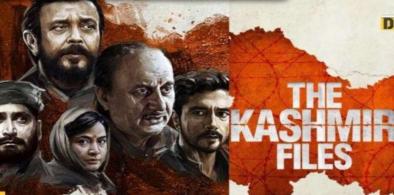
Why did the influential Purana Kashmiris not think of the 1990s Kashmir Pandit exodus as a personal issue and raise their voice? Why did they take part in the conspiracy of silence that seems to have cloaked the issue for 30 odd years?
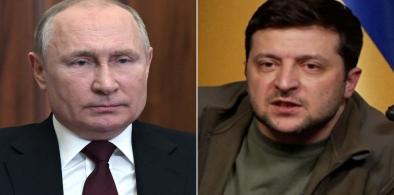
One other unintended consequence of the potential failure of the Russian operation is that it could slow down - and possibly stop the triumphant march of the autocrats – or so-called strongmen - the world over, writes Frank Islam for South Asia Monitor
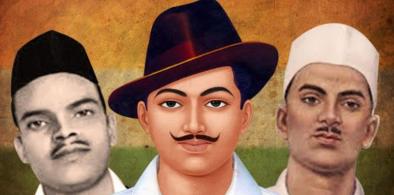
The manner in which Bhagat Singh, Sukhdev and Rajguru were, first, officially executed on March 23, 1931, and their bodies brutally chopped, marks one of the darkest chapters of British colonialism in India
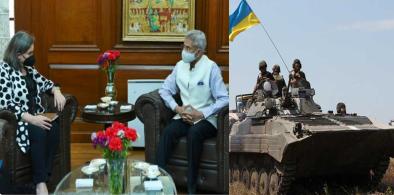
In Washington, Price acknowledged Monday at a briefing that India developed defence ties with Russia because the US was not ready for such a relationship when the Soviet Union and India drew close
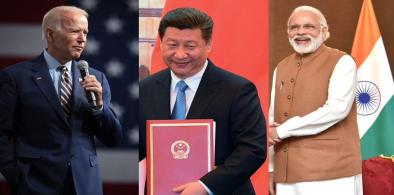
The Biden administration and India are evolving a delicate balance at the centre of which is China on how New Delhi reacts to the Russia invasion of Ukraine
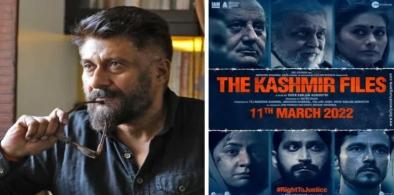
Beyond the number of deaths and whether to define the Pandits’ barbaric displacement as genocide, this is a chapter of contemporary Indian history that has received woefully inadequate media and scholarly attention, writes Mayank Chhaya for South Asia Monitor

"The unbalanced and contradictory picture of death and dying,” tells the tale of a society lost in modern medicine and unmindful of where this is taking us, write M.R. Rajagopal and Jagdish Rattanani for South Asia Monitor
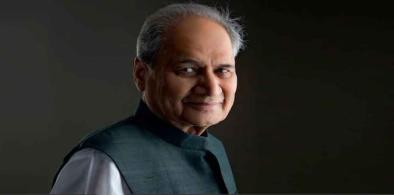
He used his annual presence in Davos to make a convincing tour de horizon of the great strengths and resilience of the Indian economy, writes Amb Bhaswati Mukherjee (retd) for South Asia Monitor
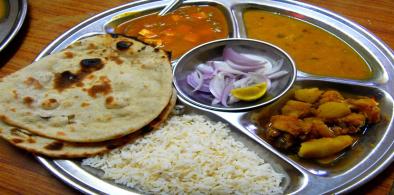
If the rural poor can be given a basic ‘thali’ at subsidized price, they will not only get proper food but do away with the drudgery of cooking, writes Anil K. Rajvanshi for South Asia Monitor
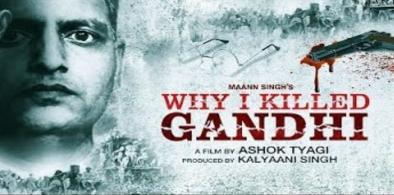
The real motive behind murdering Gandhi was that he was for inclusive nationalism, the dream of revolutionaries, and for his attempts to work against untouchability and caste inequality, writes Ram Puniyani for South Asia Monitor