Instability in Sri Lanka is not in India’s interests but at the same time it offers New Delhi an opportunity to help its strategic neighbour emerge from the epic mess it finds itself in, writes Mayank Chhaya for South Asia Monitor


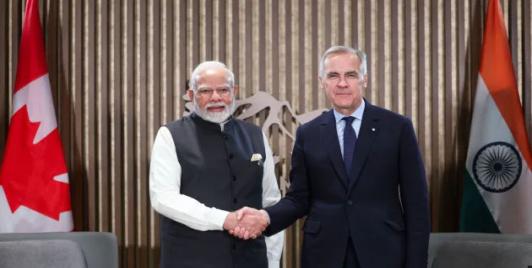
Canada hosts close to 1.9 million persons of Indian Origin (PIOs) and 3% of Canada’s population, one of the largest ethnic groups in Canada’s multiethnic and multicultural society. Although immigration policy of Canada has tightened in recent years, yet a lot of students who study in Canada prefer to stay back and work in Canada acquiring permanent residency and citizenship.
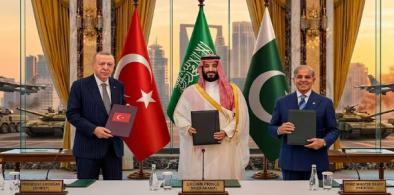
It would also explain why Pakistan is trying to preserve a distinction between supporting Saudi Arabia and fighting the Houthis. Pakistan has every reason to avoid another open-ended conflict in the Middle East. Its military is heavily committed to its own security challenges. Its economy cannot easily absorb the political and financial consequences
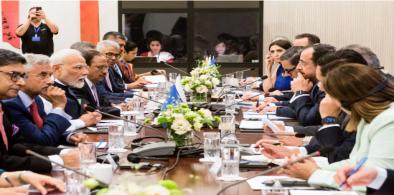
EU and India could establish a regular EU–India-Middle East Consultative Mechanism involving foreign-policy officials and experts. Its purpose would be to coordinate positions before major international gatherings and meetings.

For Sri Lankan politics, this is more than diplomatic sightseeing. It raises a fundamental question whether the JVP is developing a sophisticated strategy of balancing relations with India and China or is it gradually adapting itself to the organisational models of powerful one-party or dominant-party systems in China and India respectively?
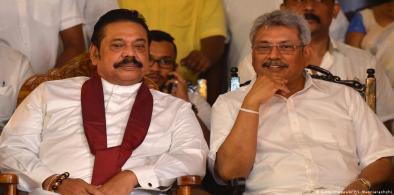
Instability in Sri Lanka is not in India’s interests but at the same time it offers New Delhi an opportunity to help its strategic neighbour emerge from the epic mess it finds itself in, writes Mayank Chhaya for South Asia Monitor
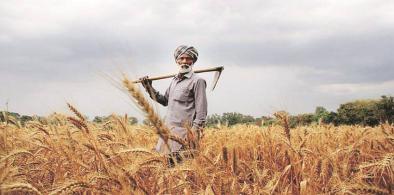
As South Asia is now better connected, ensuring BBIN food security will become even easier with packaging centres set up in each country with its own distribution, writes Amb Sarvajit Chakravarti (retd) for South Asia Monitor
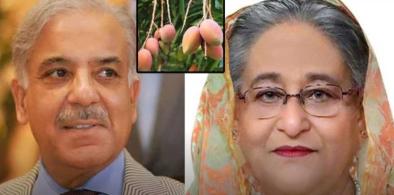
Fifty years after the separation of what was then East and West Pakistan in 1971, the exchange of mangoes is a sign that friendly ties between Pakistan and Bangladesh are possible, writes Samina Akhter for South Asia Monitor

Barring India, no other supposed ally has so far come forward to help assist Colombo in a big way. New Delhi, with its obvious strategic stakes and interests in keeping the country afloat, has so far extended assistance worth around $4 billion -- something China has also acknowledged, writes Shraddha Nand Bhatnagar for South Asia Monitor
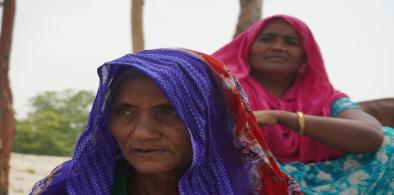
The chars formed as the Brahmaputra, Ganga and other rivers brought silt down from the Himalayas. The river islands are so fertile that they have been fought over for centuries

Today, while a large section of the Muslim community lives in intimidation and fear, at the same time there are elements like Riyaz Ansari and Ghouse Mohammad whose insanity is not only a blot on Indian Muslims but also is totally contrary to the sayings in Koran that if you kill a single innocent person, it is like killing the whole humanity, writes Dr Ram Puniyani for South Asia Monitor
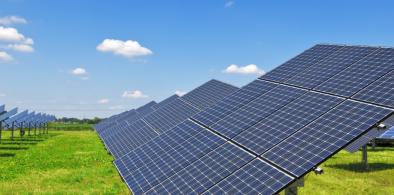
Solar roofed buses may be handy in providing mobile primary healthcare, primary and adult education, agricultural extension services and training, even telecom and TV connectivity in rural and far-flung areas across South Asia and Africa, writes Amb Sarvajit Chakravarti (retd) for South Asia Monitor
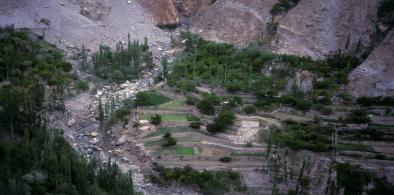
This year, an early and hotter start to the summer has forced a change in the crop cycle in Gilgit-Baltistan, high up in the Hindu Kush Himalayas
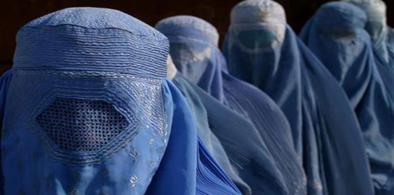
Despite public statements by a few senior Taliban leaders supporting girls' education, there has been little indication of any progress. The group's core leadership, dominated by hardline clerics, seems bent on pushing through gender discriminatory policies, writes Shraddha Nand Bhatnagar for South Asia Monitor
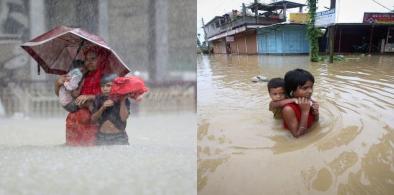
Over 54 major watercourses draining excess water from South Asia into the Bay of Bengal flows through Bangladesh, to which is added its own share of rainfall, writes Ambassador Sarvajit Chakravarti (retd) for South Asia Monitor

For Sri Lanka's tourism industry, the worst is yet to come. Experts say the downfall will continue as the energy crisis is unlikely to ease for months, writes Shraddha Nand Bhatnagar for South Asia Monitor
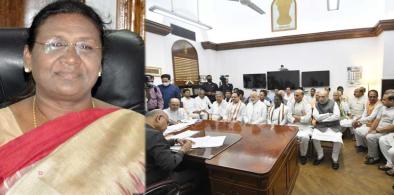
It’s a win-win situation for the BJP in the Presidential election. It now evidently hopes to fully enlist the Adivasis in its expansionist plans while the Congress flounders without a sense of direction, writes Amulya Ganguli for South Asia Monitor
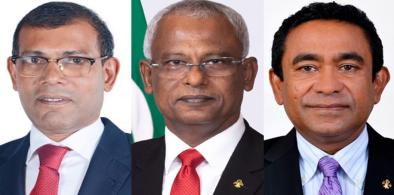
India-bashing is a preferred pasttime for opposition politicians in countries like Bangladesh, Nepal and Sri Lanka, not to mention Pakistan and Afghanistan, writes N. Sathiya Moorthy for South Asia Monitor

Only adequate remuneration and commensurate punishment for infringement can the practice of illegal gratification be significantly reduced, if not eliminated, writes Amb Sarvajit Chakravarti (retd) for South Asia Monitor
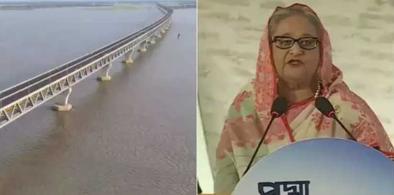
Bangladesh has proved its capacity by building a 6.15 km bridge over the country's second toughest river using its own money, writes Fumiko Yamada for South Asia Monitor