UN agencies launched a database of laws that countries had implemented in response to the COVID-19 pandemic to help protect the health and well-being of individuals and communities


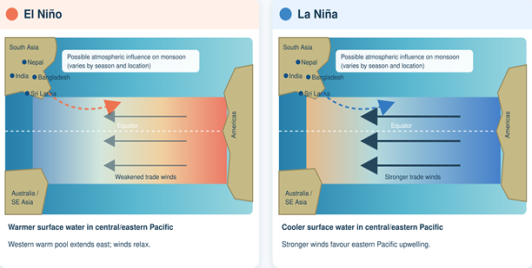
AI may genuinely extend the horizon over which seasonal climate risk can be estimated. For communities across South Asia living under the influence of the monsoon, a longer view could mean the difference between a farmer adjusting her planting in time and a family receiving a flood warning too late to act.
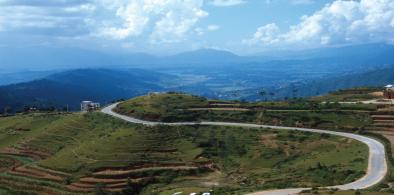
The broader lesson for South Asia is equally important. Hilly regions cannot be developed simply by transferring lowland infrastructure models into mountainous terrain. Investment has to respond to local economic systems, geography and environmental risks.

The UN's 2026 report warns that “long-term water use has exceeded renewable inflows and safe depletion limits,” leaving some water supplies beyond recovery. As the world’s largest groundwater extractor, India sits at the centre of this reckoning

The larger economic choice for South Asia is therefore broader than whether to participate in carbon trading. The region can remain primarily a supplier of relatively inexpensive mitigation outcomes, or it can also develop the technology, professional capacity, financial products and verification systems that determine what those outcomes are worth.
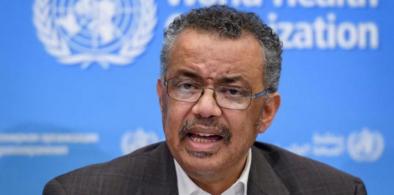
UN agencies launched a database of laws that countries had implemented in response to the COVID-19 pandemic to help protect the health and well-being of individuals and communities
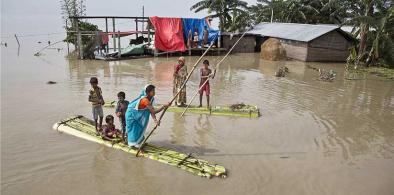
The United Nations has offered to help India and Nepal deal with their flood disaster if required
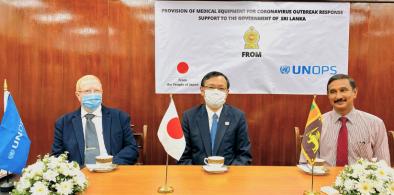
Sri Lanka's Ministry of Health, Nutrition and Indigenous Medicine (MOH), UNOPS and the Embassy of Japan in Sri Lanka announced their collaboration to address the Ccoronavirus outbreak during a handover ceremony held recently in Colombo
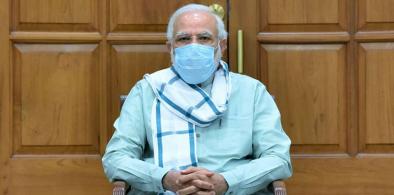
Prime Minister Narendra Modi said on Friday that India has a deep commitment to maintaining global harmony, improving socio-economic equity, preserving nature's balance, and that India will play its role in full support of the UN agenda
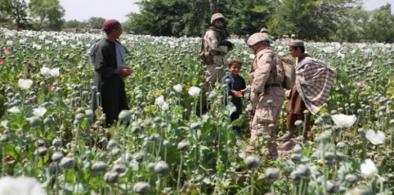
For starters, no breaking news. Afghanistan is still, and by far, the country of the world where most opium is cultivated – approximately 84 per cent of global production over the past five years
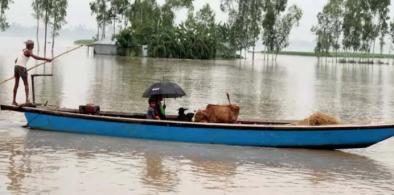
The UN has released $5.2 million in emergency funds in record time to fight flooding in Bangladesh
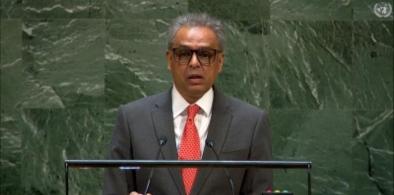
India's former permanent representative at the United Nations, Syed Akbaruddin, on Saturday said countries like China and India stand very differently at the UN, in terms of their perspective and approach
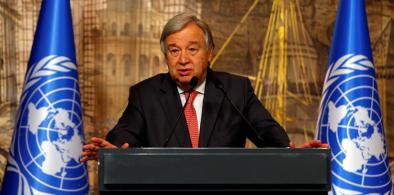
UN Secretary-General Antonio Guterres wants the death of a father and a son from Sathankulam in Tamil Nadu while in police custody with alleged signs of torture investigated, according to his Spokesperson Stephane Dujarric
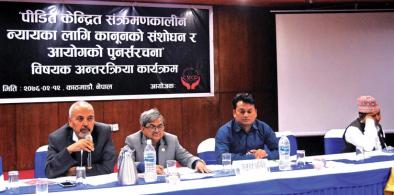
Various victim groups of Nepal have made a joint submission to the 37th Session of the Working Group on Universal Periodic Review of the United Nations Human Rights Council, drawing its attention to Nepal’s persistent failure to deliver truth, justice, reparation and institutional reforms
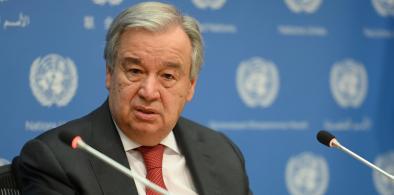
As the world designs and implements Covid-19 recovery plans, it has a choice of either going back to where it was, or investing in a better, more sustainable future, UN Secretary-General Antonio Guterres said on Thursday
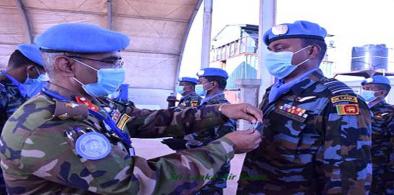
Sri Lanka has taken measures to ensure the Sri Lankan peacekeepers are well trained and equipped to maintain peace in conflict situations while upholding human rights, the United Nations Security Council was told
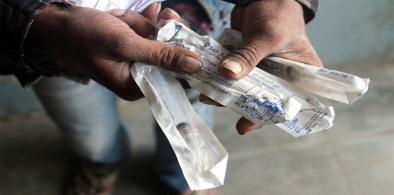
The United Nations Aids Control Programme says AIDS-related deaths are rising in Pakistan as late diagnosis and poor adherence to treatment are missed opportunities to prevent onward transmission and related mortalities
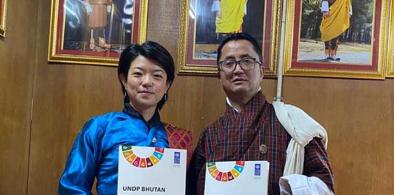
The Gross National Happiness Commission and UNDP Bhutan signed a partnership agreement on July 2 to mark the start of a new UNDP-supported COVID-19 response and recovery project funded by the Government of Japan (GoJ)
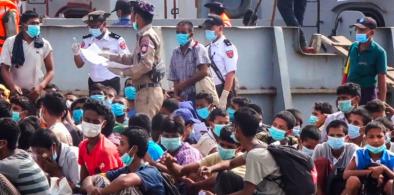
The UN refugee agency UNHCR’s Representative Steven Corliss has hailed Bangladesh’s efforts to strangle the spread of the novel coronavirus in the Rohingya camps
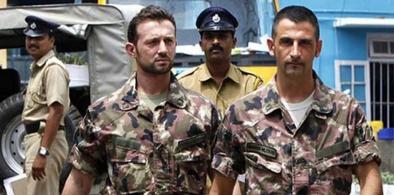
An independent court of the United Nations has held Italy guilty of breaching India's freedom of navigation in the 2012 naval dispute between the two countries and rejected Italy's claim of compensation from India