In the long run, if tactically implemented, the B3W initiative can also help India and its allies balance China’s String of Pearls strategy in South Asia and beyond, writes Pradeep S. Mehta for South Asia Monitor



When a Chinese company won the contract to establish hybrid wind and solar energy projects on three islands off the northern Jaffna peninsula—just 45 km from Rameswaram in Tamil Nadu—the security implications extended far beyond economics. Against this backdrop, India’s concerns are entirely justifiable. Sri Lanka faces a pressing question: how will the nation confront the infiltration of Chinese global criminal networks? Since Mahinda Rajapaksa’s tenure, Chinese presence in Colombo has steadily increased, with Sri Lanka positioned as a partner state in Beijing’s Belt and Road Initiative.
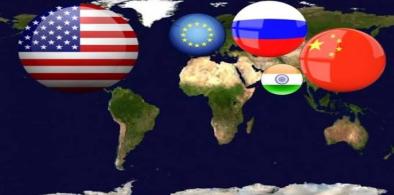
The growing role of middle powers adds another layer of complexity. Yet the term itself remains imprecise. Not every country outside the United States and China qualifies as a middle power, and many reject the label altogether. India, for example, increasingly sees itself as a leading power pursuing strategic autonomy rather than as a middle power seeking alignment with one bloc or another.
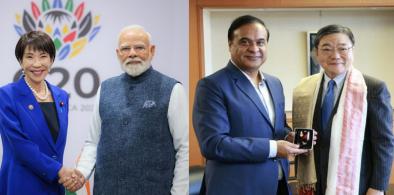
If India and Japan genuinely envision Northeast India as the gateway connecting South Asia with the Bay of Bengal and the Indo-Pacific, then the next chapter of the partnership cannot remain confined to New Delhi and Tokyo. It must also be written in Guwahati, Shillong, Aizawl, Imphal, Agartala, Kohima, Gangtok and Itanagar
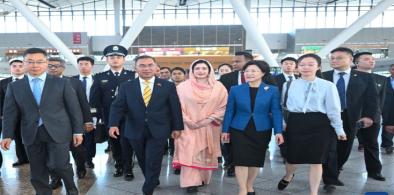
In several neighbouring countries, including Bangladesh, Sri Lanka and Nepal, China has demonstrated an ability to move from agreements to implementation far more rapidly than many competitors. India, despite enjoying unmatched geographic and cultural advantages, has often struggled with delays
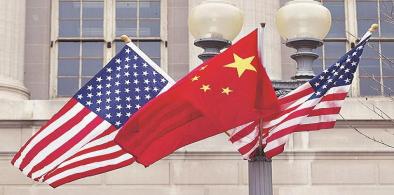
In the long run, if tactically implemented, the B3W initiative can also help India and its allies balance China’s String of Pearls strategy in South Asia and beyond, writes Pradeep S. Mehta for South Asia Monitor
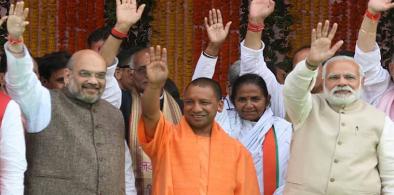
A defeat in Punjab or in Goa will not bother the BJP too much. But UP is different not only because its location in the heartland has always provided significant pointers about political trends, writes Amulya Ganguli for South Asia Monitor
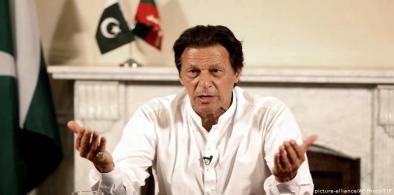
“Hollywood-Bollywood vulgarity” has been one of Imran Khan’s pet peeves for long and he has ordered the drafting of a new nationalist, culturally-centred film policy for Pakistan that is yet to be made public, writes Mahendra Ved for South Asia Monitor
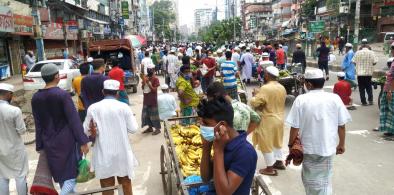
Public health experts believe that Bangladesh, despite having a good record of conducting vaccination programs, has failed in the case of the Covid jabs because of its earlier reliance on a single vaccine, writes Rakib Al Hasan for South Asia Monitor
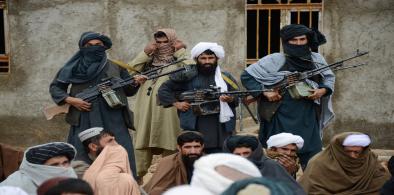
If the Afghan government can accurately manage the spontaneous movements of the people and prevent them from becoming mere tools for the warlords, not only can it create a new front against the Taliban, but also mobilize public opinion to a large extent, as it is already doing to some extent, writes Saleem Payenda for South Asia Monitor
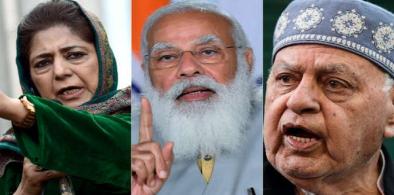
Unless Kashmir moves towards democratic governance - and New Delhi is able to reach some kind of modus vivendi over it with Islamabad - it will remain vulnerable to extremist influences and spillovers from the notorious AfPak terror sanctuaries, writes Tarun Basu for South Asia Monitor

The US will realize its strategic blunder of surrendering Afghanistan to the Taliban after the entire Af-Pak-Iran region comes under Chinese influence, writes Lt Gen Prakash Katoch (Retd) for South Asia Monitor
Hamstrung by the shortage of digitally skilled hands, Japan needs to rope in digital talents from India that constitutes one of the biggest digital talent pools, writes S. Majumder for South Asia Monitor
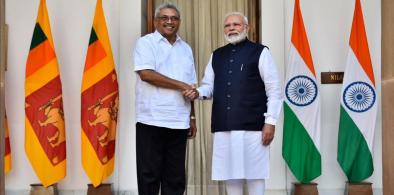
India has to reflect on its own conduct vis-à-vis smaller neighbors including Sri Lanka to have some idea of why country after country it had counted as friends are leaning towards China, writes M.R. Narayan Swamy for South Asia Monitor
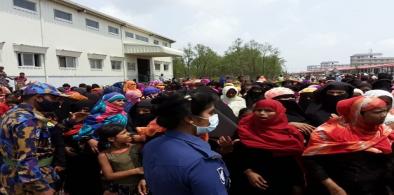
Bangladesh cannot solve the Rohingya crisis alone; the international community should come forward in implementing the promised humanitarian actions and work in coordination with Bangladesh to find a durable solution to the festering problem, writes Shaikh Abdur Rahman for South Asia Monitor

This pandemic has awakened us up to the reality that no nation is safe, whether powerful or weak, when nature unleashes its fury. However, it also presents an opportunity where no citizen of any nation is weak if they are determined to live in a better and cleaner environment, writes Dr. Prachi Aggarwal for South Asia Monitor
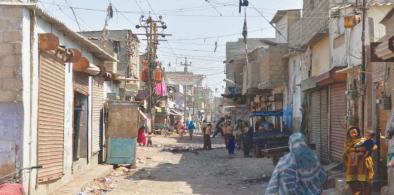
Pakistanis call Karachi 'Mini Bangladesh'. There are about 132 Bengali colonies in and around Karachi, the largest city in Pakistan, writes Rakib Al Hasan for South Asia Monitor
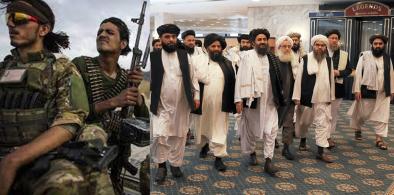
Although the Taliban has captured at least 33 district centers in the last two months, they have no capacity, manpower, and resources to run big cities. They had tried in the past and failed miserably, writes Shraddha Nand Bhatnagar for South Asia Monitor

If GCC countries other than UAE -- like Saudi Arabia and Oman -- can emerge as important cricketing venues, their soft power appeal is likely to further get strengthened, especially vis-à-vis South Asia, writes Tridivesh Singh Maini for South Asia Monitor
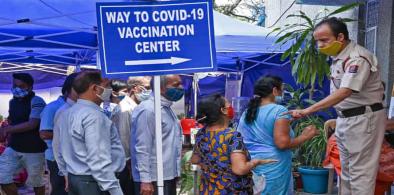
The government needs to decentralize health administration by empowering local health infrastructure for a fair distribution of vaccine doses so that they penetrate hard-to-reach groups, write Abhinav Mehrotra and Dr. Biswanath Gupta for South Asia Monitor