Biden has more India expertise than any previous president, which will only be a good thing for bilateral relations, writes Frank Islam for South Asia Monitor


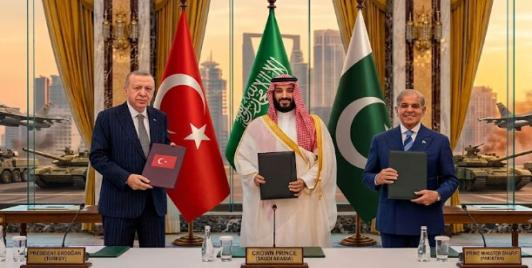
It would also explain why Pakistan is trying to preserve a distinction between supporting Saudi Arabia and fighting the Houthis. Pakistan has every reason to avoid another open-ended conflict in the Middle East. Its military is heavily committed to its own security challenges. Its economy cannot easily absorb the political and financial consequences
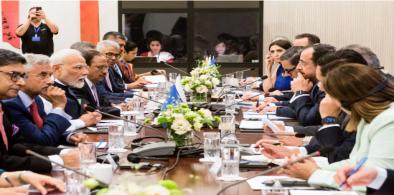
EU and India could establish a regular EU–India-Middle East Consultative Mechanism involving foreign-policy officials and experts. Its purpose would be to coordinate positions before major international gatherings and meetings.

For Sri Lankan politics, this is more than diplomatic sightseeing. It raises a fundamental question whether the JVP is developing a sophisticated strategy of balancing relations with India and China or is it gradually adapting itself to the organisational models of powerful one-party or dominant-party systems in China and India respectively?

The ongoing civil war in Myanmar has caused an influx of armed cadres (Meitei, Naga and Kuki) into Manipur's border tracts like Kamjong district, further squeezing finite land resources and aggravating historical territorial disputes. What began as a localized dispute under the state's newly elected government in February 2026 has escalated into intense, multi-district armed warfare.
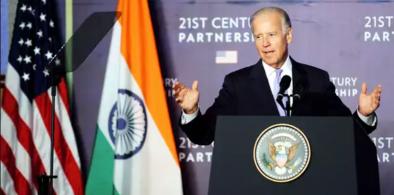
Biden has more India expertise than any previous president, which will only be a good thing for bilateral relations, writes Frank Islam for South Asia Monitor
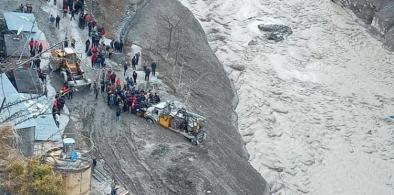
The Chamoli disaster should serve as an eye-opener for nations, government and individuals alike. In order to decrease the magnitude of such environmental disasters that occur or can occur in the coming future, it is necessary for the governments of India, Nepal, and Bhutan to collaborate in order to come up with sustainable solutions, writes Shushant V C for South Asia Monitor
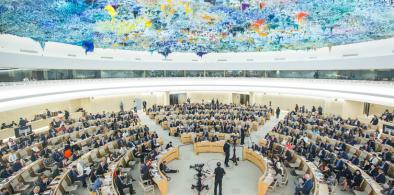
An international body to be provided with an opportunity to directly interfere in an internal affair of a member of the world community, especially a country in South Asia, will definitely dent the position of India as the regional power, writes Sugeeswara Senadhira for South Asia Monitor
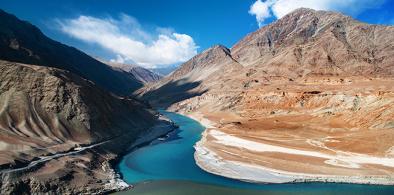
Hence, in the span of only one and a half-century, a mighty river like the Indus has been imprisoned in dams, bridges, and barrages, which has severely disturbed the river’s flow, writes Muhammad Abbas Khaskheli for South Asia Monitor
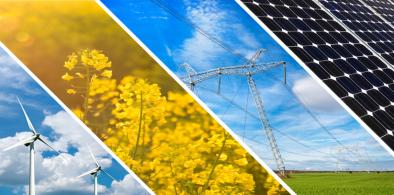
By prioritizing green stimulus through clean-energy investment and sustainability-oriented policies in its pandemic response, South Asia can play an important role in making the development process more sustainable, both for the region and for the world, writes Partha Pratim Mitra for South Asia Monitor
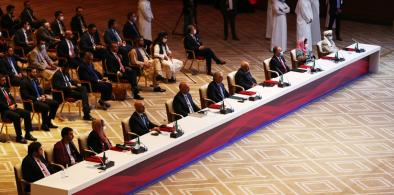
The growing political and economic influence of India in Afghanistan has been factored by the Biden administration and the inclusion of India in the peace talks are proof of that, writes Shushant VC for South Asia Monitor
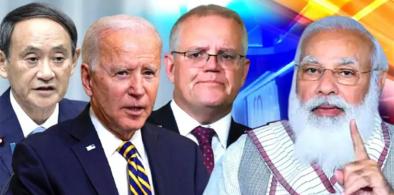
The broader agenda signals the Quad's move towards multifaceted cooperation to broaden their footprint, while also keeping the facade -- important to India -- that it is not directed against China, writes Arul Louis for South Asia Monitor

Gratitude has been expressed to India from the highest political levels of the 57-odd countries that have received 56 million doses through outright grants, commercially or through COVAX, writes N Chandra Mohan for South Asia Monitor
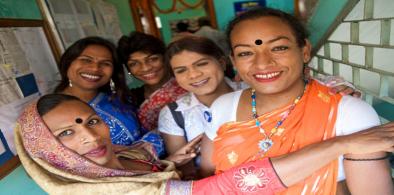
There are countries in South Asia, for example, India and Pakistan, where we have judgments from apex courts declaring self-determination of gender identity by trans people as fundamental to gender recognition, writes Sai Bourothu for South Asia Monitor
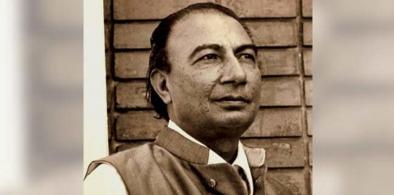
Sahir's birth centenary, on March 8, 2021, is an occasion for all to revisit his lifetime work and legacy that has tremendous relevance even in our own troubled, testing times, writes Venkat Parsa for South Asia Monitor
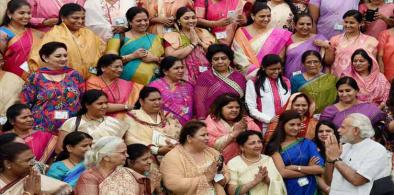
This is an ironic and familiar pattern wherein every March 8, the collective global attention briefly dwells on the status of women and while well-meaning statements are repeated – the substantive improvement in the welfare and safety of women remains a work in slow progress and an area of grave concern, writes Cmde C Uday Bhaskar (retd) for South Asia Monitor
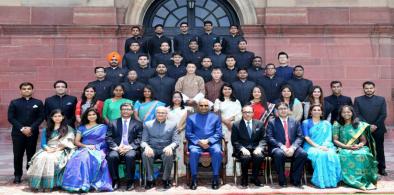
The Indian Foreign Service has come a long way in changing gender stereotypes. In the early years, women diplomats were forced to resign if they got married, writes Amb Bhaswati Mukherjee (retd) for South Asia Monitor
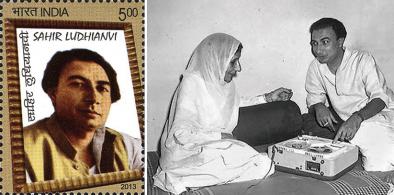
Sahir Ludhianvi’s relevance becomes greater and urgent in the present times for promoting an inclusive society and religious harmony, writes Mahendra Ved for South Asia Monitor
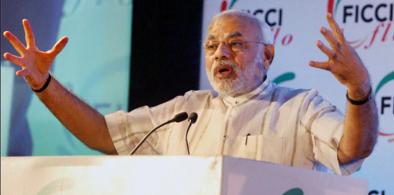
Modi’s address on the floor of the lower house on February 10 went much further in stating that the days are long gone when only the government was responsible for national development, writes N Chandra Mohan for South Asia Monitor
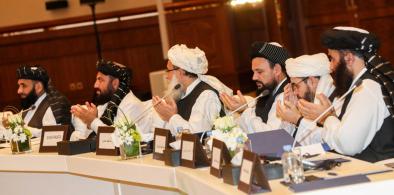
Unlike Pakistan, India is an emerging regional power both from a political and economic point of view, and India, since the last two decades, has built a friendly image in the minds of many Afghans – many consider India as the second home for the Afghans, write Hamayun Khan & S. Nasrat for South Asia Monitor