Bangladesh will procure 1.50 lakh tonnes of rice under direct procurement method (DPM) from India



The frightening possibility is not that AI becomes more capable than humans. It is that humans stop exercising capabilities they already possess, or have not yet developed, because AI can perform those functions for them.
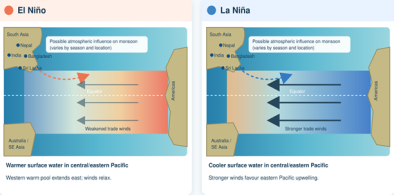
AI may genuinely extend the horizon over which seasonal climate risk can be estimated. For communities across South Asia living under the influence of the monsoon, a longer view could mean the difference between a farmer adjusting her planting in time and a family receiving a flood warning too late to act.

The central danger is, therefore, not simply that AI will be monstrous if the accelerator is pressed hard on the speed of technology. It is that the accelerator on human institutions also needs to be pressed harder to govern increasingly powerful technology.

The fear of Chinese robots being the Trojan horse that can affect American and Western tech dominance and undermine cyber and military advantage will always be a strategic concern, despite attempts to view these fears as overblown.
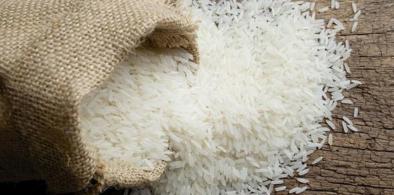
Bangladesh will procure 1.50 lakh tonnes of rice under direct procurement method (DPM) from India
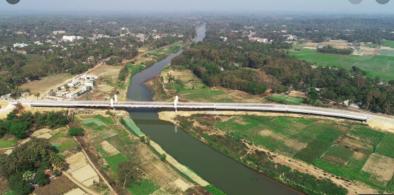
A large number of Indian industrialists in Bangladesh turned their eyes to Tripura, after Prime Minister Narendra Modi dedicated the Maitri Setu, a 1.9 km-long double-lane Maitri Setu (friendship bridge) over River Feni, connecting Tripura with Chattogram (Chittagong) seaport on Tuesday
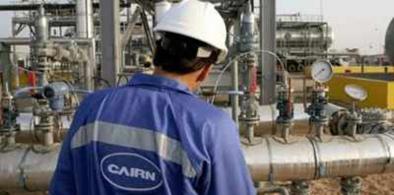
In a major fillip to Cairn Energy, courts in five countries, including the US and the UK, have given recognition to an arbitration award that asked India to return $1.4 billion.
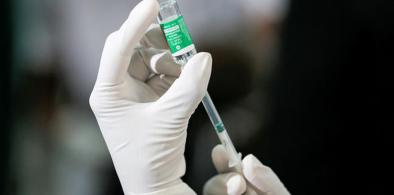
Sri Lankan authorities denied reports of delay in procurement of one million Covishield vaccines from Serum Institute of India and said the vaccines will arrive in the country by March and April
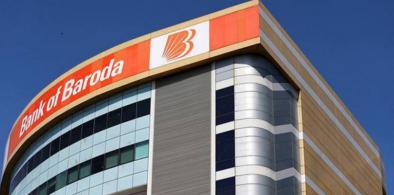
Trinidad conglomerate ANSA Merchant Bank has finally taken over Bank of Baroda (Trinidad and Tobago) Limited on March 1. The bank will continue to function as Bank of Baroda until month-end

Despite COVID-19, export of oranges have increased by 30 percent this year compared to the previous year, according to Bhutanese exporters
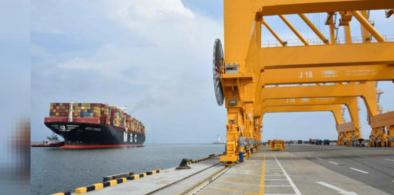
Days after the Sri Lanka Cabinet announced the proposal to clear an investment by India’s Adani Ports to jointly develop the West Container Terminal Port in Colombo, Indian High Commission in Sri Lanka said they were not involved in clearing any such proposal
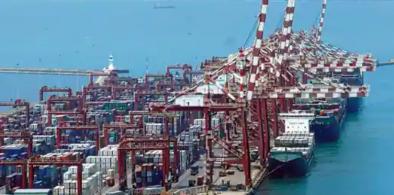
A month after scrapping the 2019 East Container Terminal deal with India and Japan, Sri Lanka has approved a proposal to jointly develop the West Container Terminal of Colombo Port in Sri Lanka with India’s Adani Ports, the Daily Mirror reported
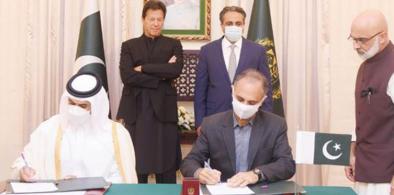
Pakistan and Qatar have signed a long-term Liquefied Natural Gas (LNG) supply deal for additional 200 million cubic feet a day (MMCFD), reported Dawn
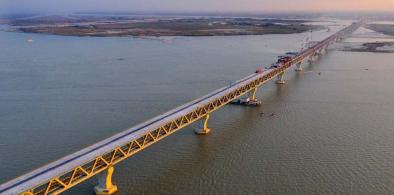
China Railway Group Ltd (CREC) - the Chinese construction company in charge of the Padma Bridge Rail Link Project in Bangladesh - has alleged mismanagement and said that pending payments is slowing the project, a press release by Forethought PR Limited, the CREC's communication agent in Bangladesh, said
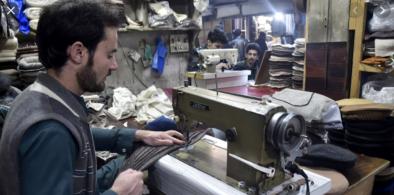
Several dying small-scale industries in India are looking at a comeback with Indian Prime Minister Narendra Modi's thrust on Aatmanirbhar Bharat that also focuses on self reliance and import reduction
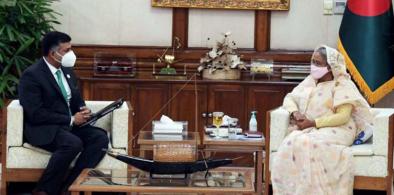
Indian High Commissioner to Bangladesh, Vikram Doraiswami, said on Tuesday that Bangladesh can export edible oil to India at 20 per cent value addition to the product, as he urged the business communities of both countries to convince the governments to upgrade goods transportation facilities

US to continue oil, gas exports to India despite climate-change prioritization
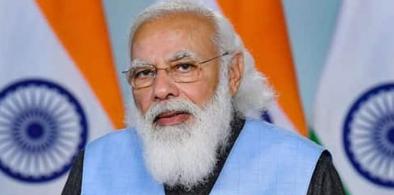
In his fresh call to make India 'Aatmanirbhar' (self-reliant) in the defence sector, Prime Minister Narendra Modi on Monday invited the private sector to come forward in manufacturing as well as in the design and development of defence items to spread the country's glory worldwide

PayPro, a fintech digital payment platform in Pakistan, said that it had received grant assistance of $46,643 from USAID