Indian pharma’s soft power has, no doubt, opened up possibilities for foreign policy in the neighbourhood, writes N Chandra Mohan for South Asia Monitor


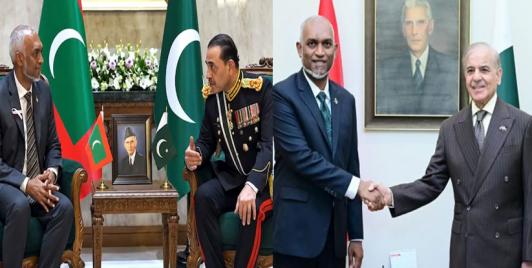
The Maldives, like other small states, has an interest in diversifying its international partnerships, widening its economic choices and retaining room for diplomatic manoeuvre. Engagement with Pakistan does not necessarily come at India's expense

Three days of dialogue, debate, and engagement in Dhaka reinforced a sobering reality: despite ongoing discussions about multipolarity, middle powers, and strategic autonomy, great powers continue to shape the choices available to smaller states.
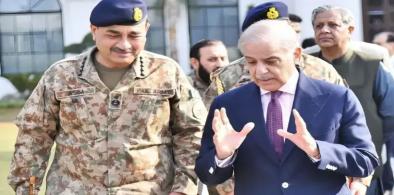
It would be simplistic to assume that every retired general appointed as an ambassador is an instrument of Asim Munir's influence. It would be equally complacent to dismiss the wider institutional implications of placing so many former military officers in diplomatic positions across several regions.

Arunachal Pradesh presents a particularly important dimension of the problem. China claims the northeast Indian state, refers to it as Zangnan, or South Tibet, and periodically challenges India's sovereignty through statements and the assignment of Chinese names to places within the state.

Indian pharma’s soft power has, no doubt, opened up possibilities for foreign policy in the neighbourhood, writes N Chandra Mohan for South Asia Monitor
The terrific trio of Modi, Macron and XI should meet over videoconference and announce WAVE. They have the capability and potential to make history, writes Rajendra Shende for South Asia Monitor
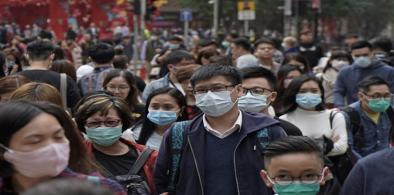
What really jumps up from the plethora of information floating around is the lack of preparedness and lack of governmental attention to health care, especially in the overcrowded South Asian region, writes Sreeradha Datta for South Asia Monitor
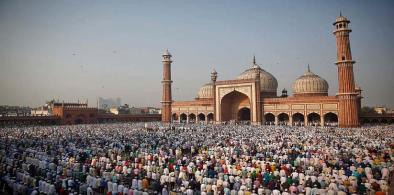
Irrespective of whether they succeed in convincing the foreigners, the reactions in India to the minister’s assertion will range from amusement to derision, writes Amulya Ganguli for South Asia Monitor
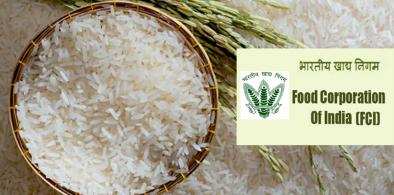
This abundant food-in-the-granary exigency will unfold even as a large number of Indians are grappling with hunger pangs and are stuck in varying degrees of deprivation, writes C Uday Bhaskar for South Asia Monitor
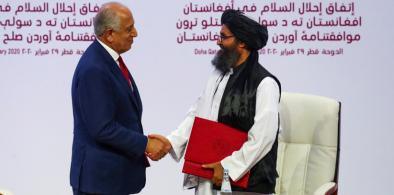
The wider consequences of the agreement between the US and Taliban remain ambiguous, writes Iqbal Dawari for South Asia Monitor
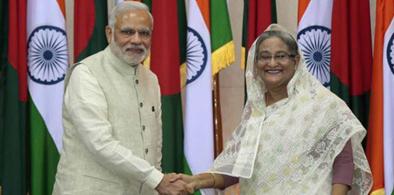
The Indian government’s decision to pass and enact, in December 2019, the Citizenship Amendment Act, naming Bangladesh as a country where minorities are persecuted, had an extremely negative fallout in that country, writes Nilova Roy Chaudhury for South Asia Monitor
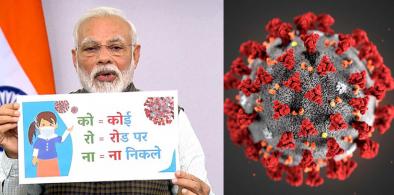
India is poised for an all-out war and, like in any war, this is not the time for partisanship. It’s in this scenario that Modi will find himself at a fork in the road, writes E.D. Mathew for South Asia Monitor
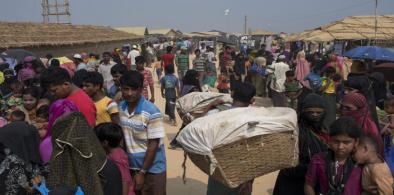
Indeed, if anyone is serious about the plight of the Rohingyas and is looking for sustainable solutions to the crisis, then the person ought to put her gaze not on Bangladesh but on Myanmar, writes Imtiaz Ahmed for South Asia Monitor
When the first COVID-19 case came to public notice in India in January this year, questions in concerned quarters have been raised as to why did it take almost two months to prepare for lockdown and that too with a notice of a few hours to leave many citizens unprepared and more so the migrant and the poor, writes Partha Pratim Mitra for South Asia Monitor
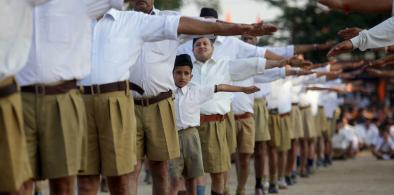
RSS remains quite optimistic about the way the new world order is going to pan out post-COVID-19. It feels that it is the beginning of a new golden era for India, writes Arun Anand for South Asia Monitor
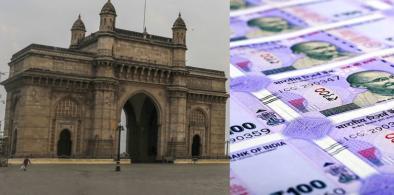
The consequence of continuing the lockdown, even under present conditions, could be grave, as the self-employed people like vendors, plumbers, auto drivers, small automobile workshops etc. as well as poor senior citizens, visually impaired/differently-abled people, who are millions in number all over the country, would be badly hit, writes N S Venkataraman for South Asia Monitor
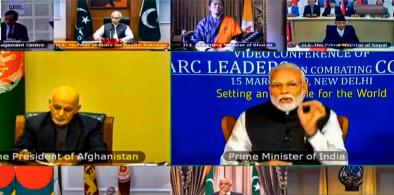
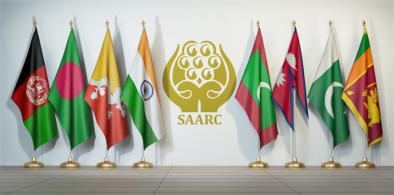
The legitimacy of a regional organization like SAARC and others alike will be uncertain if strategic measures and procedures to control COVID-19 do not work in South Asia, writes Maj. Gen Binoj Basnyat (retd) for South Asia Monitor
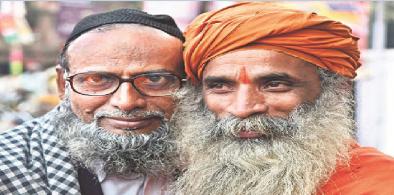
No one can predict what the trajectory of communal relations will be when it is clear that so much will change in the post-corona period not only with regard to Hindu-Muslim ties, but in every other field that the scene in India will be quite different from what it is today writes Amulya Ganguli for the South Asia Monitor
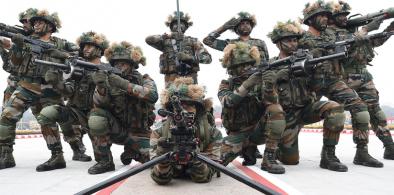
The armed forces, after decades of clamouring, have been accorded a historic opportunity to usher in change and reforms. It is imperative that this opening is utilized with sagacity and deliberate forethought writes Admiral Arun Prakash (retd) for the South Asia Monitor