Justifiably, India and Sri Lanka are unhappy that the Canadian government is giving the freedom to operate to separatist movements in Canada and is keeping its eyes and ears closed to the violent objectives of the separatists.


The young need not become another opposition. They could become an independent democratic force that questions every government but belongs to none; that protests when necessary but constructs continuously; that demands accountability from institutions while practising accountability itself.
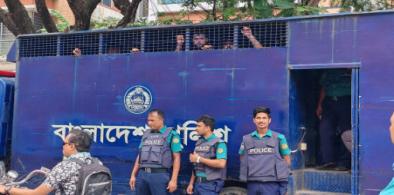
To what extent has the current BNP government been able to realise the vision that drove the 2024 mass uprising in Bangladesh? Will the BNP government, too, manipulate state mechanisms and law enforcement agencies to serve its own interests, much like the previous Sheikh Hasina regime, to suppress the opposition and silence critics? The government must therefore take serious steps to amend police laws and prevent deaths in police custody. This is one of the crucial reforms facing the administration.
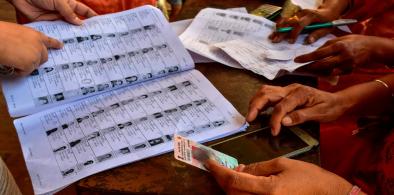
The Commission's authority rests ultimately on public confidence. Like Caesar's wife, the Election Commission must be above suspicion. It should welcome scrutiny and answer legitimate questions, especially when millions of voting rights are involved.
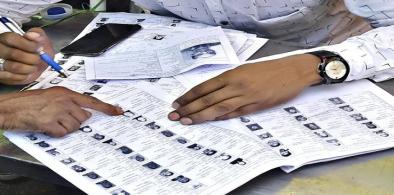
If the government and EC are confident, the answer is not a counter-letter but transparent data: a district-wise, gender-wise audit of deletions, restorations, reasons – all details to be placed on affidavit, as Lokur panel demands.
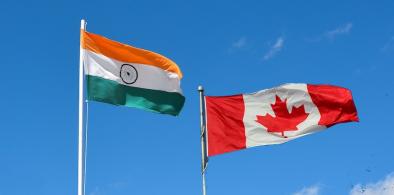
Justifiably, India and Sri Lanka are unhappy that the Canadian government is giving the freedom to operate to separatist movements in Canada and is keeping its eyes and ears closed to the violent objectives of the separatists.
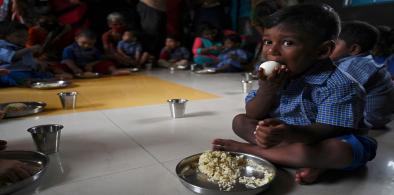
The report notes that India has the highest child-wasting rate in the world, at 18.7 per cent, reflecting acute undernutrition. It places India way below a neighbour like Bangladesh, which has a score of 19, a rank of 81 and is categorised on the GHI Severity of Hunger Scale as “moderate” – a class jump over the Indian numbers.
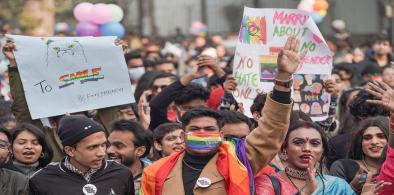
The verdict certainly is an impediment to the quest for self-respect, individuality and self-esteem of its citizens.India could have set an example with positive affirmation of this right as only Nepal and Taiwan have recognized same-sex unions in Asia.
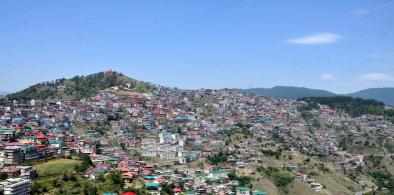
Townships in our hilly regions are mushrooming in a grossly unplanned and unscientific manner, generating excessive pressure on the rock surface, which can manifest in catastrophes.

Pakistan’s CWC Act 2000, Pakistan Bio Safety Rules 2005 and Pakistan Export Control Act 2004 are the evidence of Pakistan's sincerity to the implementation of CWC and BWC. Because of the dedicated efforts of science and policy leaders in Pakistan, the country is on the road to becoming a regional role model in ensuring biosafety and capacity for biosecurity.
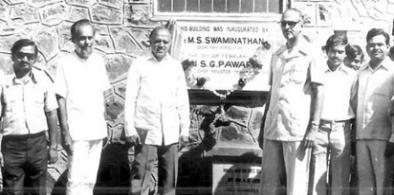
One of the most important things that MSS did was to get recognition for agriculture and agricultural scientists. He streamlined the recruitment process, got them government awards, and raised their status in the eyes of the government and the general public. This helped improve the morale of agricultural scientists.
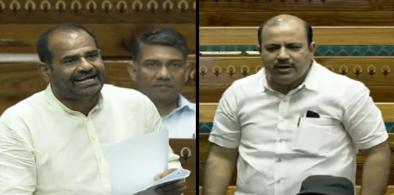
At the root of this fall is the belief among the BJP that assertion means aggression; that hitting out is the best form of defence; that violence is in our grain and must be met with double the violence; that the 'other' must be put down; that the grammar of leadership is masculine in form, shape and action.
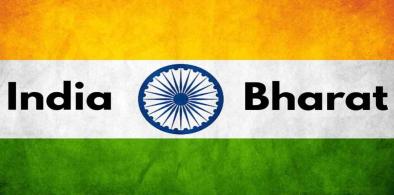
The use of the word India is not a colonial legacy in any way; the word was there much before the British East India Company came here for trade and plunder. This word also was used by anti-colonial movements. This is how the country was known in the world.
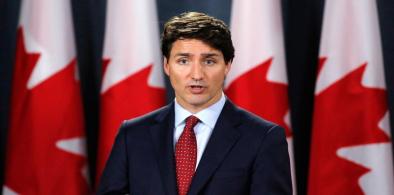
Canada gives a lot of importance to freedom of speech and action and some extremist elements see this freedom as license to orchestrate separatist movements in other countries from Canadian soil. This situation has caused serious problems for other countries like Sri Lanka and India.

India's prowess in ML and AI is a beacon that must shine on all corners of the nation. Closing the digital divide through digital literacy and improved technological access is more than a responsibility—it's an investment in India's growth narrative.
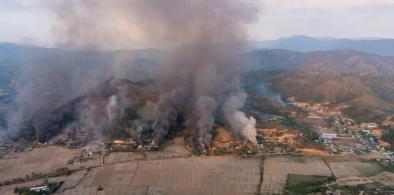
India's restive Northeast appears heading towards more turbulence with the situation in Manipur and the central government not moving beyond bland statements.
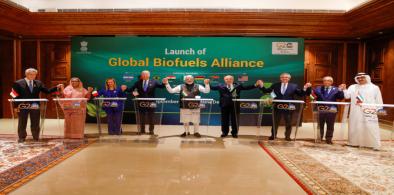
After much euphoria over green hydrogen and other alternative energy options, biofuel has gained worldwide attention with the launching of the GBA in New Delhi. While this is a good initiative, there are many hurdles in the way, and any thought that biofuel would become a total substitute for fossil fuel amounts to wishful thinking at this stage.

The entire burden of population control in India has been borne and continues to be borne by women. And this is especially the case with sterilisations.

Not much has been done by lawmakers to reduce black money in elections. ONOE is not likely to make a dent to that effect, though that is its ostensible purpose.
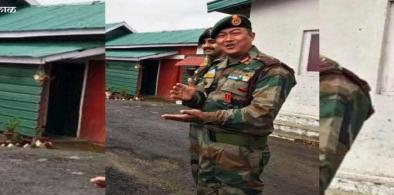
Why did it take five months of violence to appoint Col Sanjebam who lives in the heart of Imphal even while projecting the worst is over? Why was this done without Manipur Police asking for such an appointment? Why was he posted to the police department, not as a military advisor to the Chief Minister?