The danger is that the cracks in the Constitution are widening. The need of the hour is to find the true meaning of religion. A divisive agenda no matter how strong, will end up dividing the nation and enhancing a culture of division.


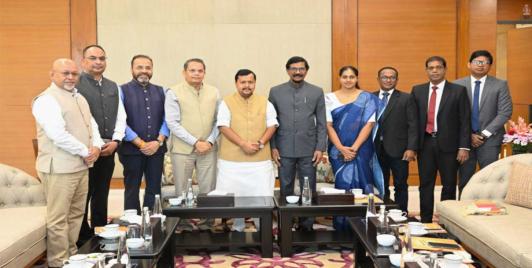
For Sri Lankan politics, this is more than diplomatic sightseeing. It raises a fundamental question whether the JVP is developing a sophisticated strategy of balancing relations with India and China or is it gradually adapting itself to the organisational models of powerful one-party or dominant-party systems in China and India respectively?

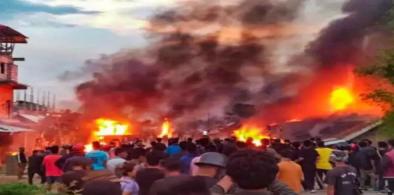
The ongoing civil war in Myanmar has caused an influx of armed cadres (Meitei, Naga and Kuki) into Manipur's border tracts like Kamjong district, further squeezing finite land resources and aggravating historical territorial disputes. What began as a localized dispute under the state's newly elected government in February 2026 has escalated into intense, multi-district armed warfare.
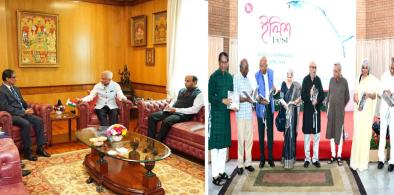
Hamidullah’s tenure has been marked by promotion of Bangladesh's soft power, with the envoy going around the country underlining the deep roots of people-to-people ties.
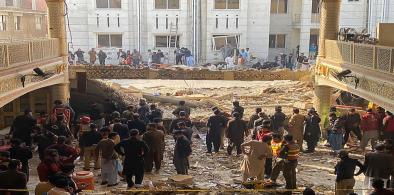
India must also recognise that Pakistan's internal security crisis has wider regional implications. Escalating Pakistan–Afghanistan tensions could create additional uncertainty along the western frontier, while attacks on Chinese projects could affect regional connectivity and investment.
The danger is that the cracks in the Constitution are widening. The need of the hour is to find the true meaning of religion. A divisive agenda no matter how strong, will end up dividing the nation and enhancing a culture of division.
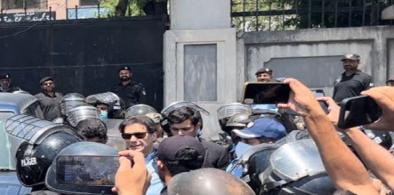
Since Pakistan’s birth over 75 years ago, it is the ‘establishment’ that has largely determined who gets political power and when to take it away. Out-of-favour politicians get disqualified from political office, imprisoned, or exiled. Some have been killed.
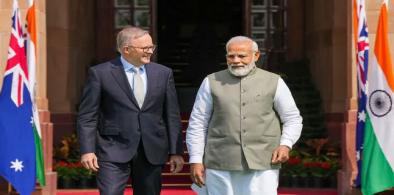
The research strengths of Australian universities in areas such as cyber security, quantum computing, space technology, robotics and AI, critical technologies, public health, water, waste utilization, teacher training, low-cost housing, and solar power, to name a few, are all initiatives and aspirations that PM Modi has identified for India and which Australian universities are well-placed to collaborate on.
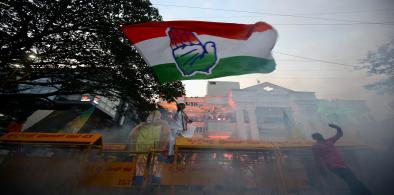
From the secular Bharat Jodo Yatra to the Karnataka elections, Indian civil society groups have played an important role. One does look forward to civil society groups committed to the rights of weaker sections of society playing a similar role in forthcoming elections to ensure that the country comes back to the path and idea of India envisaged by the freedom movement and the Constitution of India.
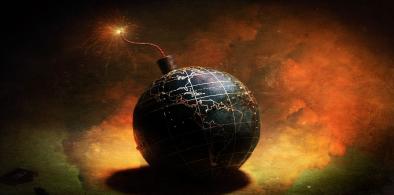
The warning is not only coming with unusual certainty but there is a clearer message that the world is failing in its pursuit to meet the Paris Climate Agreement.
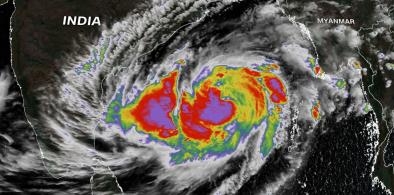
Cyclone Mocha only reminds us of the urgency of India-Bangladesh-Myanmar-Thailand-China-Sri Lanka cyclone management cooperation. As a start, Myanmar-Bangladesh-India trilateral cooperation is a must in this regard.
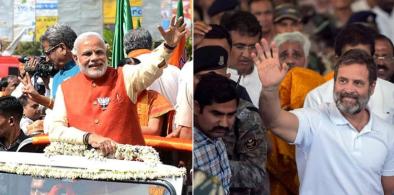
After Karnataka, however, the BJP may be wary of going down that path when the world will be watching Modi’s forthcoming steps in the run-up to the 2024 general election
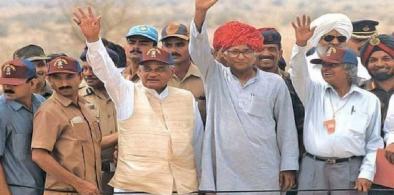
The lesson one can draw from 25 years of nuclear South Asia is that nuclear weapons are guarantors of stability at the highest or strategic levels, but they are certainly not the panacea to the security challenges faced by a nation, especially at the sub-conventional level. The case of the India-Pakistan conflict validates this point
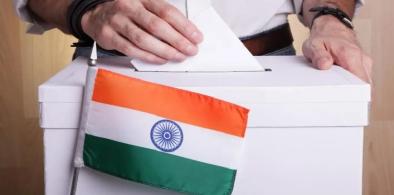
Herein lies the paradox of Karnataka. The rest of educated India and the world knows the state mostly through the stories of its tech leaders and the vibrancy of Bengaluru, which has sometimes been voted as the top city to work for many and certainly for IT professionals. On the other hand, the state of Karnataka has become a tinderbox of communal strife.
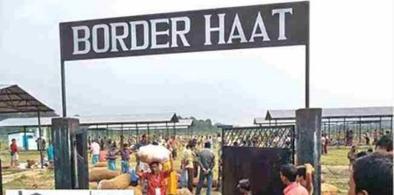
The concept of 'land-link' has already become operational. Credit is due to Bangladesh and its young foreign minister of state, Shahriar Alam, who has given a new dimension to ties between Northeast India and Bangladesh by showing the immense potential that can be exploited between the two countries by turning limitations into possibilities.
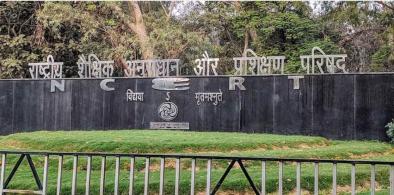
In a way, we are following the path of Pakistan and Sri Lanka. In Pakistan (Islamic nationalism), the hate manufactured against Hindus and Christians did result in their persecution there. In Sri Lanka (Buddhist Sinhala nationalism), Hindus (Tamils), Muslims and Christians have been on the receiving end of the consequences of hate.
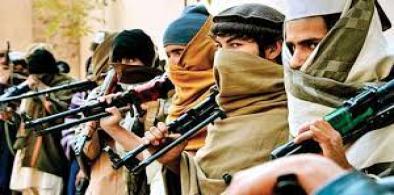
The unceasing political chaos and the absence of a national consensus regarding the existential threat that stares Pakistan in the face are deteriorating the already fragile state of affairs. Political instability and economic meltdown not only compounds the system of governance but also create a fertile breeding ground for terrorism.
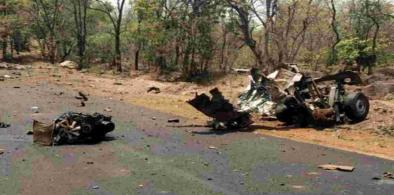
The rallying of such forces gives rise to fratricidal killings. Adivasis are close-knit groups. Pitting to kill one against the other sponsored by the State gives rise to not just distrust among the members of the group but against the State as well. The enmity that is being created among the Adivasis will have a long-term impact.
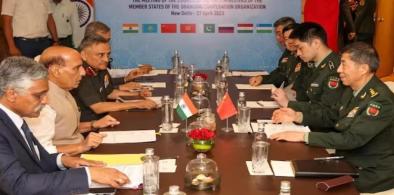
India needs to develop a more muscular political, diplomatic and military policy against China, military muscularity being contingent on political will. With clear designs on Indian territory, China cares two hoots about military-to-military cooperation.
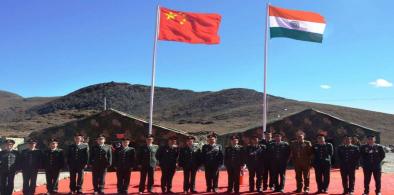
The forthcoming SCO Defence Ministers' Meet at New Delhi on April 27-28, followed by the SCO Foreign Ministers Meet in Goa on May 5, and the G20 Summit in September 2023 in New Delhi will have participation by China, where ample scope for bilateral meetings exists. It is high time the Indian defence minister, foreign minister, and prime minister discuss the issue directly with their Chinese counterparts to determine what exactly the Chinese intentions are.