The evidence indicates that the increase in state borrowing over the past decade is best understood as the outcome of a changing fiscal federal system rather than simply an expansion of welfare politics.




The evidence indicates that the increase in state borrowing over the past decade is best understood as the outcome of a changing fiscal federal system rather than simply an expansion of welfare politics.

India could potentially become a bridge between regional economies and the wider Asian and Global South payment architecture. Greater interoperability could support remittances, tourism, trade and financial inclusion while reducing some transaction costs.

The current rise in Indian sugar prices is the result of several factors rather than ethanol alone. Lower-than-expected production—from an initial estimate of 343 LMT to about 306 LMT—is central to the supply concern. Weather damage, disease, festival demand, global prices and market speculation have added to the pressure.

South Asia remains one of the least integrated regions in the world despite geographical proximity and complementary economic structures. Greater regional trade, improved transport connectivity, cross-border electricity markets, digital payment systems and investment partnerships could substantially reduce external vulnerabilities.
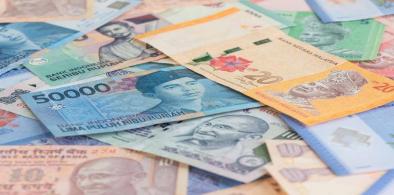
As South Asia seeks to become one of the principal engines of global growth in the twenty-first century, velocity may emerge as one of the most important indicators of economic vitality. The countries that prosper most will not necessarily be those that create the most money, but those that use it most effectively.

A just transition in India therefore requires targeted, context-specific strategies—supporting coal-dependent regions, strengthening reskilling and social protection (especially for informal workers), and aligning sectoral decarbonisation with employment generation. Ultimately, the transition’s success will depend not only on reducing emissions…

Workplace accidents impose costs far beyond the immediate loss of life and injury. Families lose breadwinners, enterprises suffer productivity losses, projects face delays and governments incur healthcare and compensation costs. The social consequences can be particularly severe for migrant and informal workers

European green laws represent a major shift in the relationship between trade and environmental sustainability. For South Asia, they create both risks and opportunities. While compliance costs and market access challenges are real, these regulations can also accelerate the region's transition towards greener and more resilient economic…

The Quad's Critical Minerals Initiative provides an important platform for achieving these objectives. Through coordinated investments, technology sharing and supply-chain diversification, the initiative seeks to create resilient and transparent mineral supply networks. Australia contributes abundant mineral reserves, Japan offers advanced…
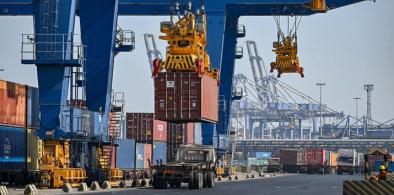
One of the most striking features of South Asian trade is how little the region trades internally. Intra-regional trade within South Asia remains among the lowest in the world relative to geographic proximity. Political tensions — especially between India and Pakistan — have prevented the emergence of a deeply integrated regional production…